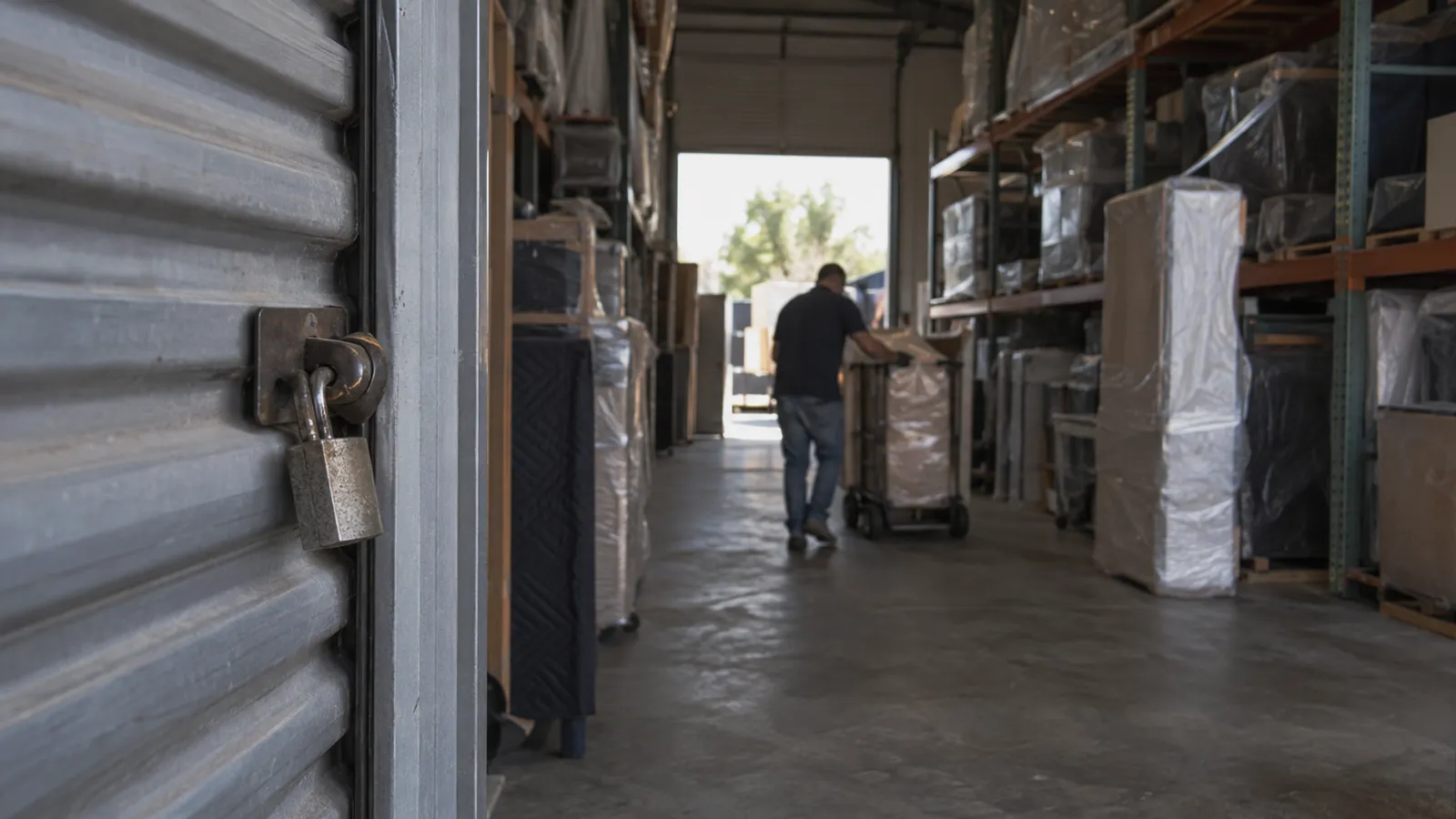
Beyond Unit Numbers: Why Item-Level Inventory Is the Future of Self-Storage
Tracking what's inside each unit, not just which unit is rented, is becoming the new baseline for modern self-storage and valet storage operators.
For most of its history, self-storage ran on one number. The unit. You rented someone four walls and a roll-up door, gave them a gate code, and billed them on the first of the month. What they put inside was their business. If they stacked a piano on a mattress, that was between them and the piano.
That model still works for drive-up storage, and plenty of good businesses run it. But a growing slice of the industry has quietly stopped selling square footage. Valet operators, climate-controlled facilities, business storage, white-glove warehouses: their customers never visit. They want to open an app, see a photo of the armchair, and ask for it back by Thursday. Once that is the expectation, the unit number stops being useful as the thing you track.
You are a logistics company now
The day you offer a pickup, you leave real estate and enter logistics. It happens whether you planned it or not.
Real estate measures occupancy in square feet. Logistics measures it in items, dimensions, weight, and condition. Real estate bills by the unit, monthly, for years. Logistics bills storage plus whatever you did to the stuff this month: pulls, deliveries, a repack, a photograph for the insurer. Different accounting categories, different numbers on the wall, and sooner or later different software.
Most facility management software was built for the first business. It handles leases, gate access, and late fees well. Ask it where the oak dining table is, how much it weighs, when it was last photographed, and whether it needs to be on a truck at 9 a.m. Thursday, and you get nothing. None of that lives in a unit record.
What changes once every item has a record
Give each piece its own record, with a photo, a location, and a client attached, and a surprisingly long list of things start paying for themselves.
Customers retrieve their own things. They browse their collection in a portal and request the chair, not the unit. You charge a pull fee, and nobody has to drive anywhere.
Insurance can match the contents. Per-item valuations instead of a flat per-unit policy, priced on what is actually on the shelf.
Damage disputes get short. A dated intake photo settles most of them in one email. Without it, you are arguing memory against memory.
Pricing can reflect the work. A unit full of low-value boxes and a unit full of fragile art should not cost the same to store, and now you have the data to say so.
And audits stop needing a flashlight. When a customer asks whether you still have their grandmother's chest, you look it up instead of walking the aisle.
The part that is more work
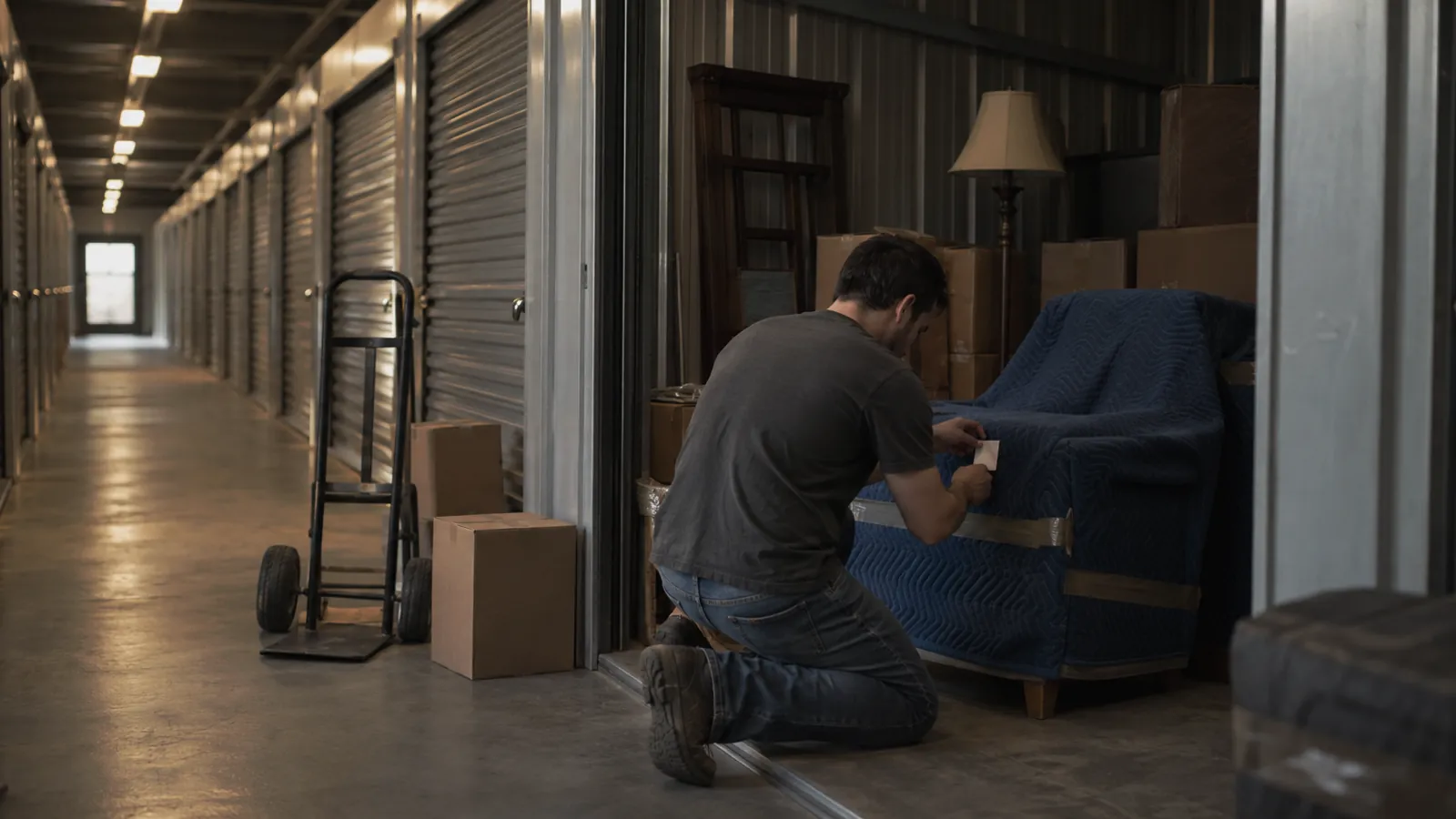
Item-level intake takes longer. There is no way around that. Someone has to photograph each piece, label it, note the condition, and record the dimensions. On a 40-box pickup, that is real time.
Two things make it bearable. The work moved to the phone, so one person with a camera and a roll of QR labels can intake a hundred items in an afternoon, with photos uploading as they shoot. And the time comes back. The first time a customer wants a single chair instead of access to the whole unit, or a damage claim closes in five minutes instead of fifty emails, those extra fifteen minutes at the dock look cheap.
Two lanes
Self-storage is splitting in two. One lane is large, drive-up, low-touch, and optimized for square footage. The other is service-heavy, item-level, and increasingly hard to tell apart from white-glove logistics. Both are good businesses. They just need different operating systems.
If your customers have started asking for pickups, deliveries, or a photo of what they have in storage, you are already in the second lane. The sooner the software admits it, the sooner billing, staffing, pricing, and marketing can follow.