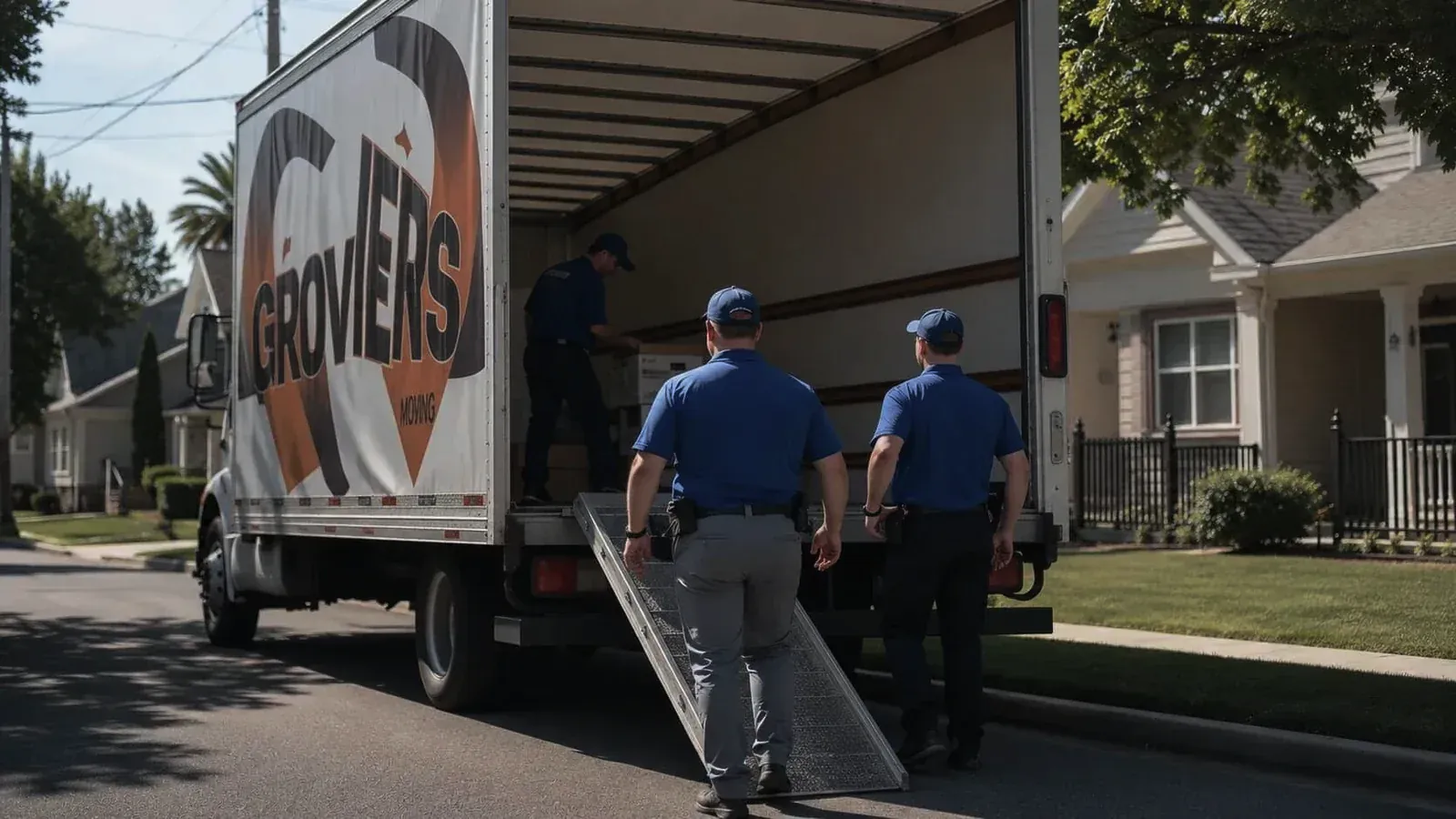
Photo-Based Intake for Movers: How It Cuts Damage Claim Disputes in Half
A simple discipline, photographing every item at pickup, is quietly cutting damage disputes in half for moving and relocation companies.
Damage claims are the most demoralizing part of the moving business. The crew has gone home. The customer is upset. And the office is suddenly refereeing an argument about whether the scratch on the dresser was there before the move or happened on the truck. With no evidence, almost every one of those arguments ends the same way. You eat the claim, or you sour the relationship. Usually both.
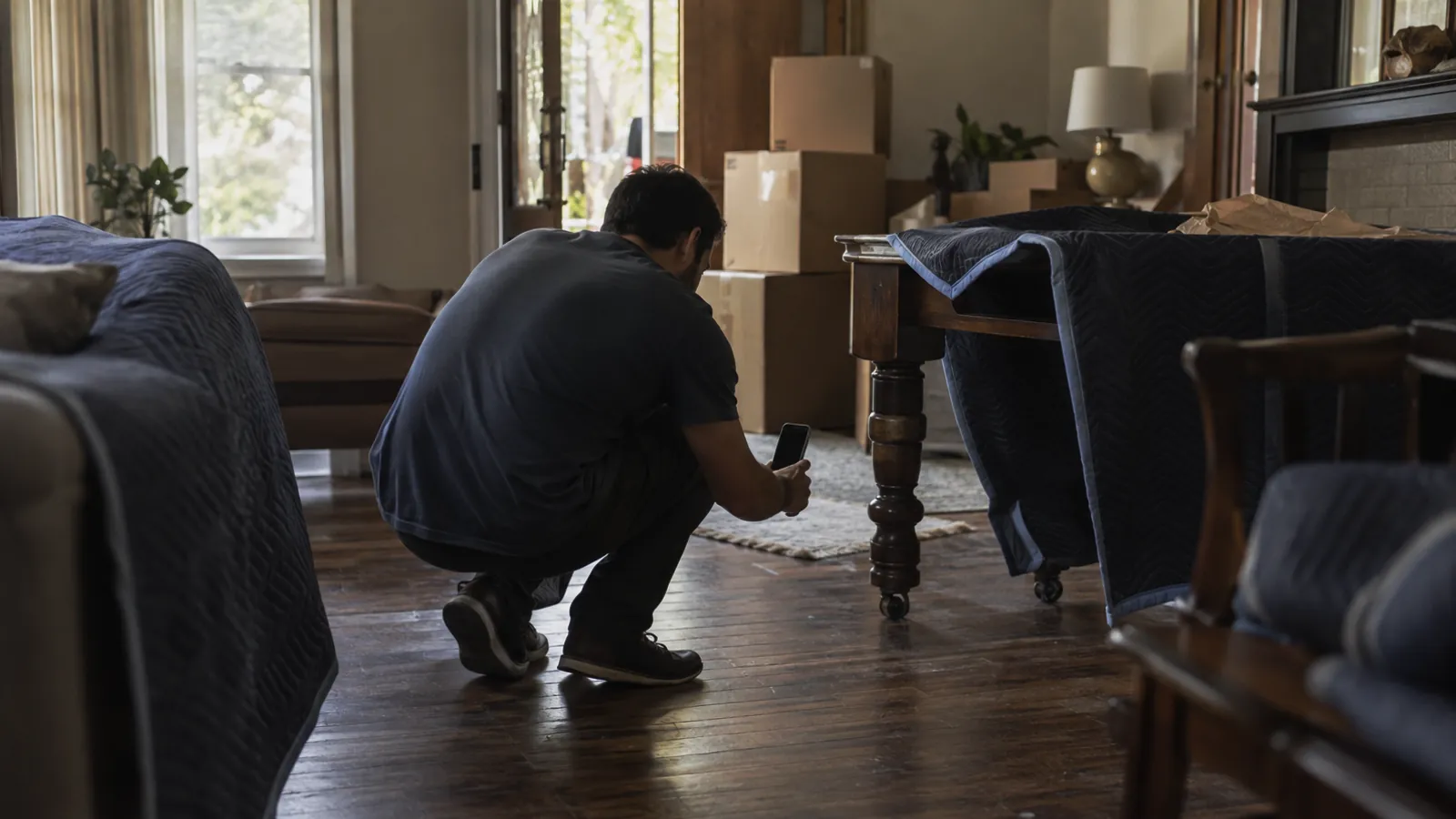
The fix is almost embarrassingly simple. Photograph every item, every time, before it leaves the customer's house. The camera has been in everyone's pocket for years. What changed recently is that the photos can go straight from a crew member's phone into the job record, tagged and timestamped, where nobody can lose them.
What "photo-based intake" actually looks like
Photographing the truck doesn't count. Neither does a wide shot of the living room. Photo-based intake means each item, on its own, ideally with a label or QR sticker in frame, before it gets wrapped or loaded.
A crew of three can shoot a typical three-bedroom house in under thirty minutes. The photos upload as they're taken, with no sync step once the crew is back at the shop. If you give the customer portal access, they can watch the photos land in real time. Condition gets captured at the one moment nobody can argue about later.
And when something does go wrong (give it enough jobs and it will), you have a dated record of the exact pre-move state. The conversation stops being "your guys must have done this" and becomes "let's pull up the before and after and see what happened."
What it changes for the customer
The reflex objection is that photographing everything makes the customer feel watched, or drags the move out. In practice they like it. It looks professional. It says you take their stuff seriously, and that if something breaks you'll handle it like adults.
It also tends to flip from a defensive measure into a feature. Give it a few months and customers start asking for the photos for their own records, especially for the piano, the artwork, the dining table that belonged to a grandmother. The thing you started doing to protect yourself becomes something they'd pay for.
The discipline question
The technology is the easy part. The hard part is doing it on every job, every time, with no exceptions for the easy move on a Friday afternoon when the crew wants to get home. A few habits help.
- Make photos a required field on the digital intake form. The job cannot move to "loaded" until the items are photographed.
- Spot-check. Open one job in ten and make sure the photos exist and are actually usable.
- Pair experienced crew with new hires. Photo discipline is a habit, and habits move best from one person to another.
- Tie it to performance. When a claim comes in on a job with missing or sloppy photos, that is a conversation with the crew lead, not with the customer.
The numbers
Once photo intake is genuinely part of every job, expect damage claim volume to drop by forty to sixty percent in the first year. You are probably not damaging fewer items. That number stays roughly flat. What changes is that the disputes you used to lose by default now get settled on the evidence.
The settled-in-your-favor rate goes from maybe forty percent to north of eighty. Time per claim drops from hours to minutes. And the share of claims that turn into one-star reviews or chargebacks falls to nearly nothing, because the customer is looking at the same photos the office is.
The broader point
Photo intake is one instance of a bigger shift, from "we'll figure it out if there's a problem" to "we'll already have the answer when the question comes." The same logic covers mileage, hours logged, fuel surcharges, crew accountability. Capture the data at the moment it costs nothing, and you will never wish you hadn't.
The movers growing fastest right now have customers who feel looked after from the quote through the final signature, including on the day a dresser leg snaps. Price has less to do with it than you'd think. Thirty minutes with a phone before the first box goes on the truck is about the cheapest way there is to earn that.