A Logistics Playbook for Galleries Lending Art to Museums, Collectors, and Fairs
A practical guide for galleries lending pieces to museums, collectors, or fairs, the contracts, the condition reports, and the transport.
A gallery's first major loan is exciting for about a day. Then it's terrifying. The piece is leaving the building. It's going somewhere with a different climate, different staff, and a different idea of what "careful" means. Insurance covers the money. It does not cover the sleep you lose between the day the crate ships and the day it comes back. A good process can cover that, and software is what makes the process the same every time, which is what makes it something you can trust.
Before you say yes
A loan request looks about the same whether it comes from a major museum or a private collector. The question to settle before you agree has less to do with whether you trust them and more to do with being set up to lend this piece to anyone at all. That means having ready answers to a short list.
- Is the piece's condition documented right now, to a standard you could defend?
- Is the insured value current, and does the borrower's policy actually cover it?
- Is the climate at the destination compatible with what the piece needs?
- Who handles transport, packing, and unpacking on each end?
- What is the inspection protocol on arrival, and again on return?
- Who is the named on-site contact at the receiving institution, and what hours do they keep?
If any of those answers is fuzzy, fix it before you sign. A delayed yes costs you a few days. A problem the loan agreement never anticipated costs a great deal more.
The condition report is the contract
Every loan agreement references the condition report. In practice the condition report is what decides who pays for any damage that turns up on return. Take it seriously, and take it the same way every time.
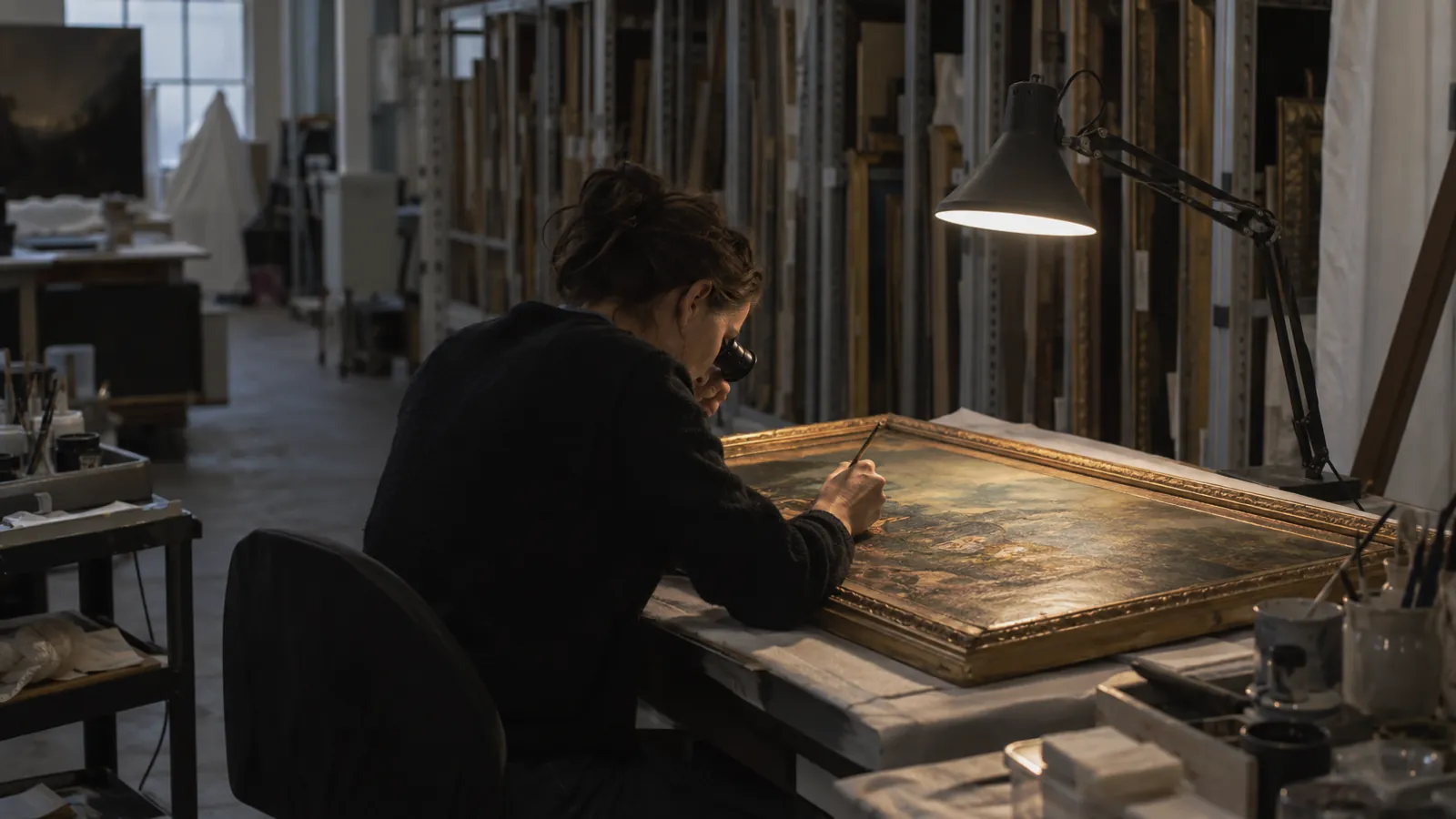
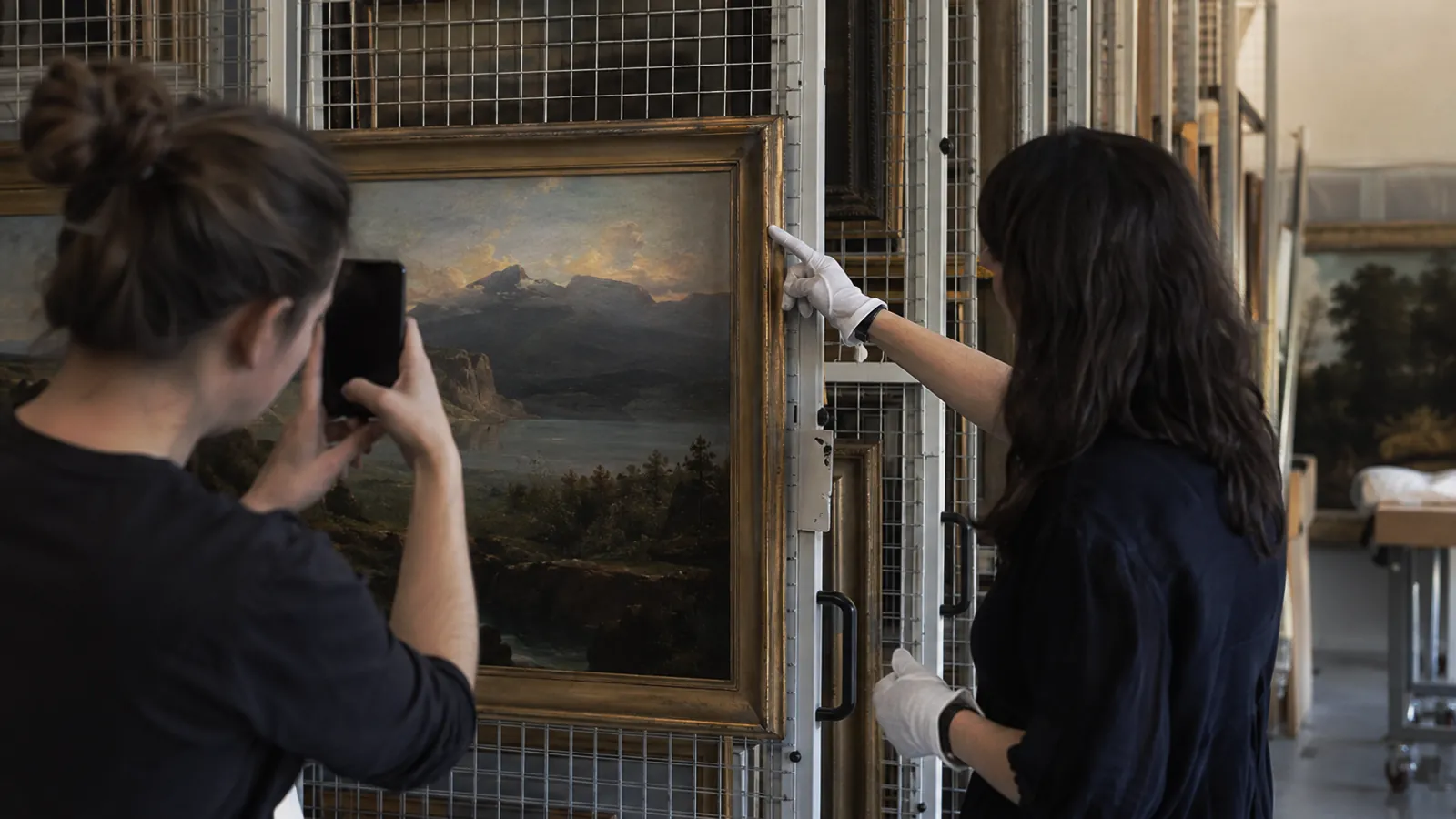
The right format is photographic: multiple angles, consistent lighting, each notable area annotated. Two people sign it, the registrar and the courier. It is dated to the day the piece is crated. Then the same protocol runs again on arrival, again on return, and one last time back at the gallery once the piece is unpacked. Each report links to the one before it in the piece's record, so any change shows up at a glance.
Choose your transport partner like a co-signer
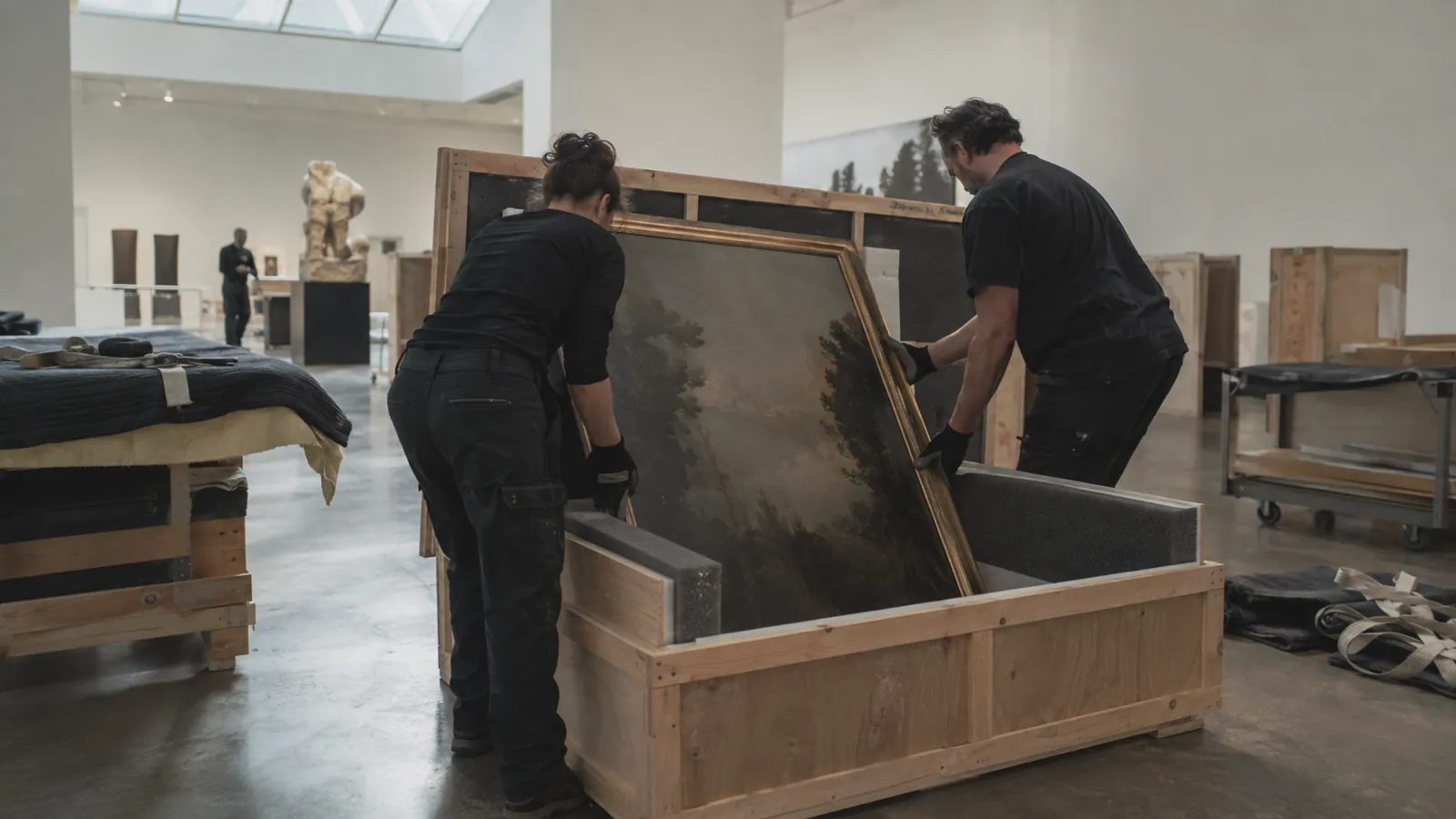
Fine-art transport runs the whole range of quality. The well-known names are well-known for a reason. Climate-controlled trucks, trained handlers, and a process for the awkward parts, customs paperwork, off-hours deliveries, a loading dock that closes at four. The cheaper options sometimes move fine art on Monday and a three-bedroom house on Tuesday in the same truck. Don't shop on price for a piece you can't replace. The math doesn't work even once.
Whoever you pick, treat them as part of your team. They should see the same condition reports, the same handling notes, and the same destination details your own staff sees. Software that gives them a scoped view of the loan record, instead of a folder of attachments, pays for itself the first time a customs question gets answered in fifteen minutes instead of two days.
The receiving end
Most problems happen in the first hour at the destination. The crate gets opened too soon, before the climate inside has equalized. The piece gets moved before the receiving registrar has signed off. A note about hanging height gets misread. None of it is dramatic. All of it is preventable with a written protocol that both sides have seen.
So send your receiving instructions in writing, inside the loan record, where they can't get buried in an email thread. Ask for confirmation that they were read. Include photos of how the piece was packed, so the unpacking is obvious to someone who has never seen the crate. And get a phone number for the registrar on duty during the unboxing, so the first question gets answered while the lid is off rather than the next morning.
Returns, and what they actually prove
The return is where a loan either ends cleanly or turns into an argument. Repeat the photographic condition report the moment the crate arrives, before it's opened, then again after. Put it side by side with the pre-loan report in the piece's record. Document any differences with the borrower present, even if they're present on a video call.
Done well, the return is a non-event. Done badly, it's months of correspondence. The work to do it well is about an hour at each end. The work to undo a bad one can take a year.
The compound benefit
Every loan you handle well makes the next one easier. The museum remembers the gallery that answered emails and had its paperwork in order. The collector remembers that their advisor's piece came back better documented than it left. In a small market where reputation is most of the asset, that compounds.
The galleries that grow into institutions don't have a secret. They lend the same way every time, treat the documentation as the deliverable, and use software that lets them do it without burning a week of staff time per loan. Boring, repeatable, well-documented loans are how a small gallery turns into a serious one.