Provenance and Condition Reports: The Digital Paper Trail Every Gallery Needs
Galleries and fine-art handlers can't run on PDFs and email anymore. Here's what a real digital provenance and condition record looks like.
In a fine-art gallery, the paperwork is sometimes worth more than the object. A painting with no provenance is a curiosity. The same painting with an unbroken chain of owners and exhibitions is an asset. A condition report dated last Tuesday is a tool. A condition report from 1982 with a photograph attached is evidence in a six-figure dispute.
Most galleries know this in their bones. What tends to surprise them is how much of their own provenance and condition record still lives in folders of PDFs, Word documents somebody emailed years ago, and conservator notes pencilled on the back of inventory cards. The information exists. You just can't search it, can't link it, and can't be sure it would survive a dropped laptop.
What a digital paper trail should be
A proper digital record for a single piece is a thread, with a date on every knot, that ties together:
- Acquisition record. Where the piece came from, what was paid, what documentation came with it.
- Provenance. Every prior owner, exhibition, and publication, with sources cited.
- Condition history. Reports at intake, before and after each loan or transport, and after each conservation event, each with photographs.
- Insured value over time. Dated appraisals, with the appraiser's name and credentials.
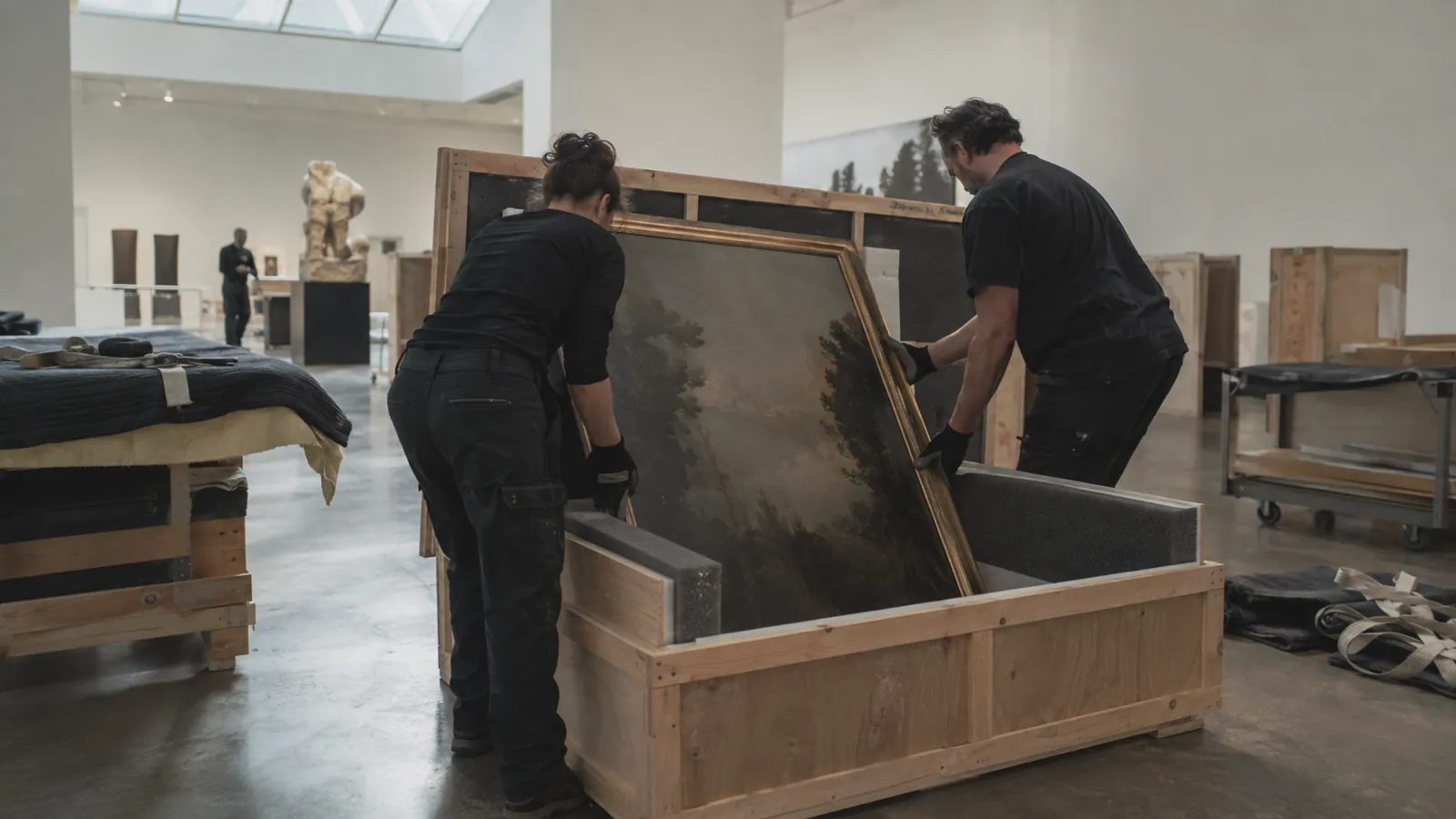
- Movements. Every time the piece left storage, whether for an exhibition, a loan, a sale, or a transport, with the receiving party and the dates.
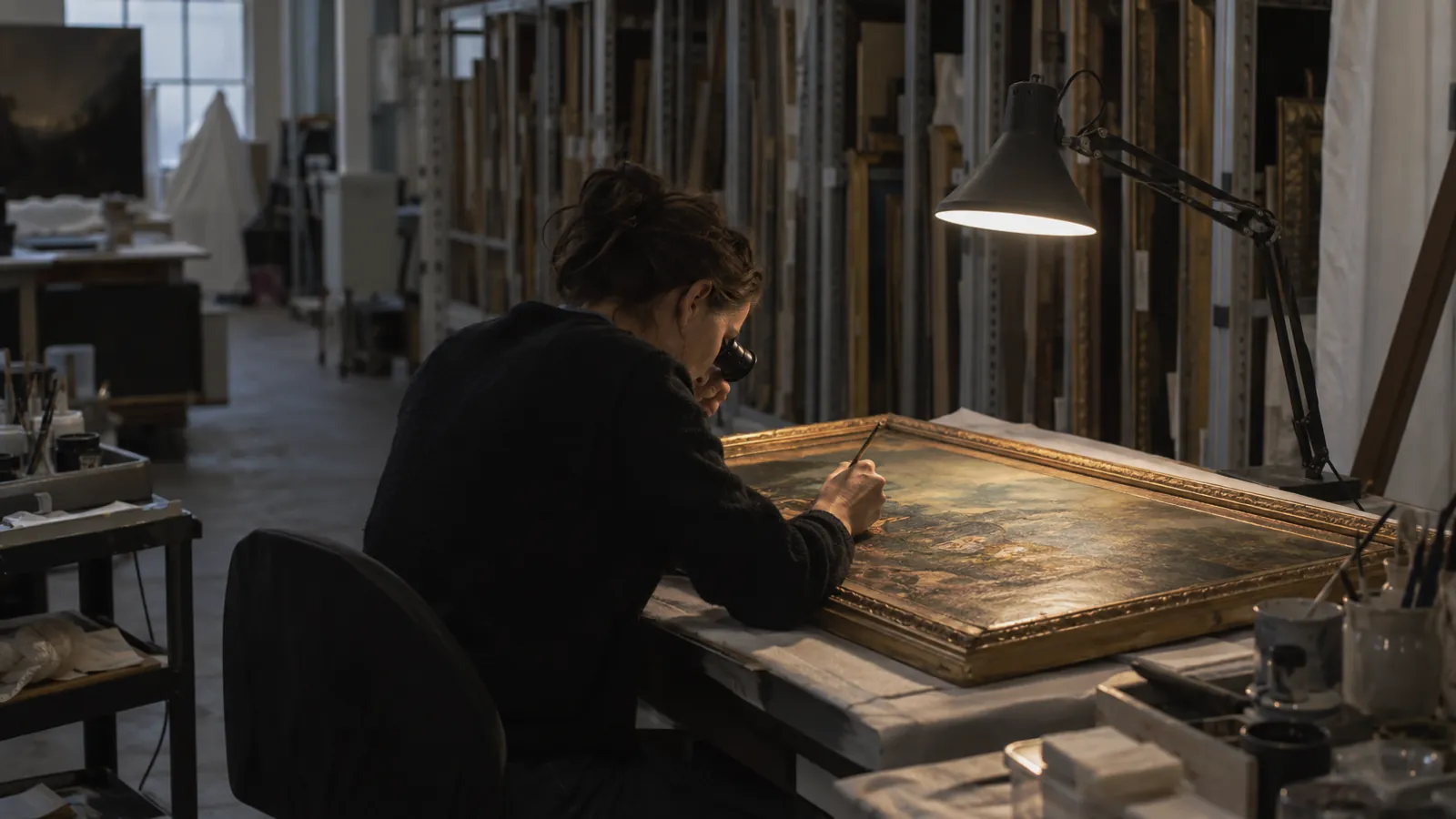
- Conservation events. What was done, by whom, the materials used, and photos before and after.
Each entry should hang off the piece's record, not sit in a folder named after the piece. The difference matters more than it sounds. A folder is a static archive. A linked record is a living document that can be queried, exported, and shared without somebody spending an afternoon assembling the package by hand.
The lender problem
A gallery finds the limits of its documentation the first time a museum asks to borrow something. The loan agreement wants a current condition report, a recent appraisal, full provenance, and a chain-of-custody plan. Pulling that together by hand can take days, and the request has a deadline. The galleries that handle loans without drama have already structured their records so that exporting a complete loan packet is a five-minute job instead of a five-day project.
Sales are the same story. A serious collector, especially one buying through an advisor, will ask for documentation that goes well past the certificate of authenticity. Being able to hand over a clean, timestamped, image-rich history on the spot is increasingly what separates a deal that closes from a deal that gets renegotiated.
Where condition reports go wrong
Condition reports are not new. What's new is that they can be useful every day instead of only on the day of a dispute.
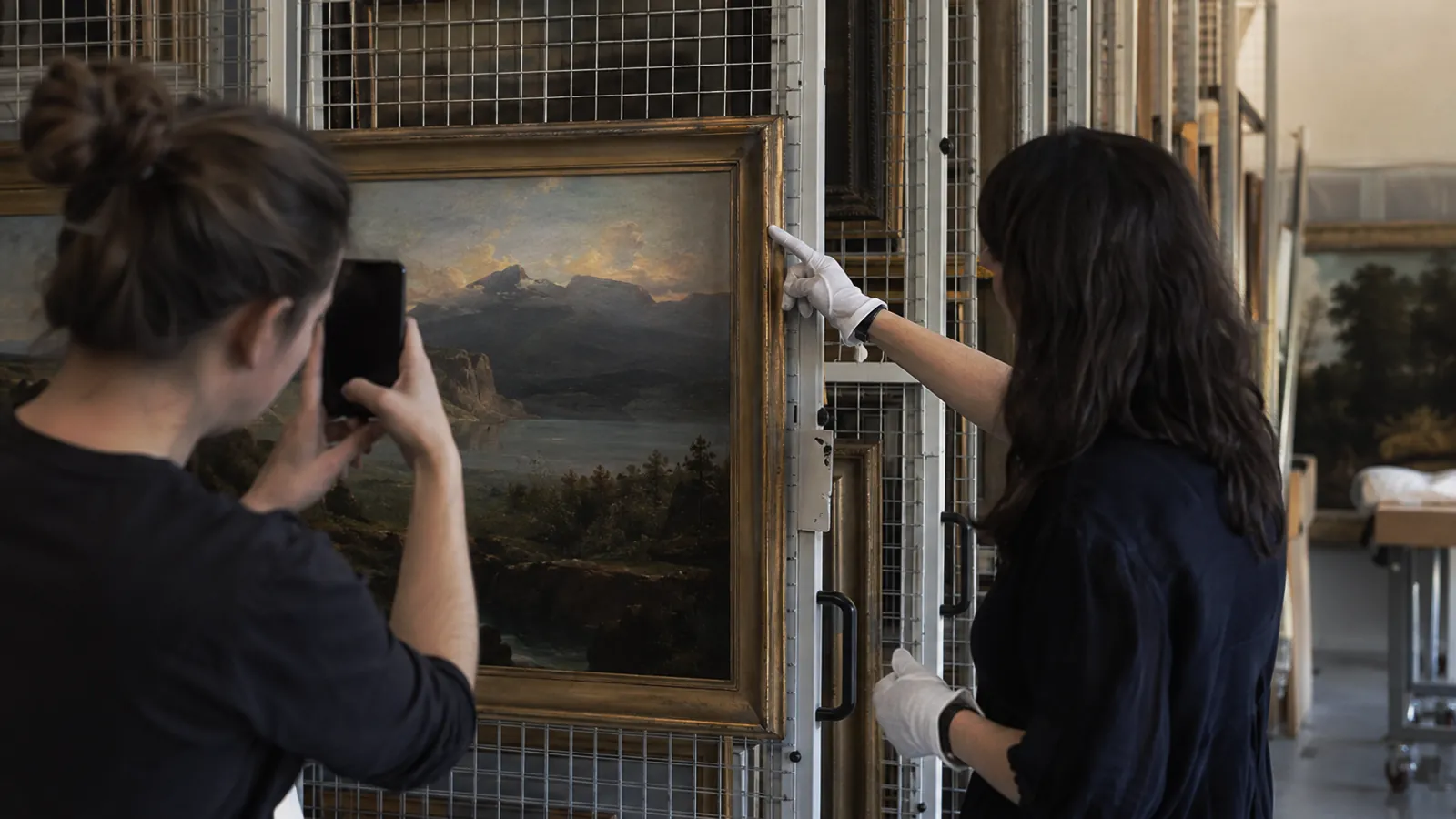
A useful condition report is a set of photographs, shot from consistent angles under consistent light, with annotations on each one. It's dated, signed by the person who took it, and stored right next to the previous report so the two can be compared. A written paragraph does none of that. When a piece comes back from a loan, the comparison should be visual and immediate, not an exercise in reconciling two conservators' prose styles.
Move to this format and two things change. Disputes get settled faster, usually in one conversation with the receipts on screen. And they come up less often, because the discipline of shooting the report tends to catch problems before the piece ever leaves the building.
The succession question
There is a quieter reason for all of this. Galleries change hands. Founders retire. Registrars move on. A record built on linked, structured data survives that. A folder system on the founder's laptop does not.
The galleries still operating in twenty years will be the ones treating their records the way a museum does, as institutional assets rather than personal files. Software is what makes that possible without a museum's worth of staff. The right platform makes a small gallery's documentation look, from the outside, almost indistinguishable from an institutional collection. That is where the bar is moving, and it stopped being optional a while ago.