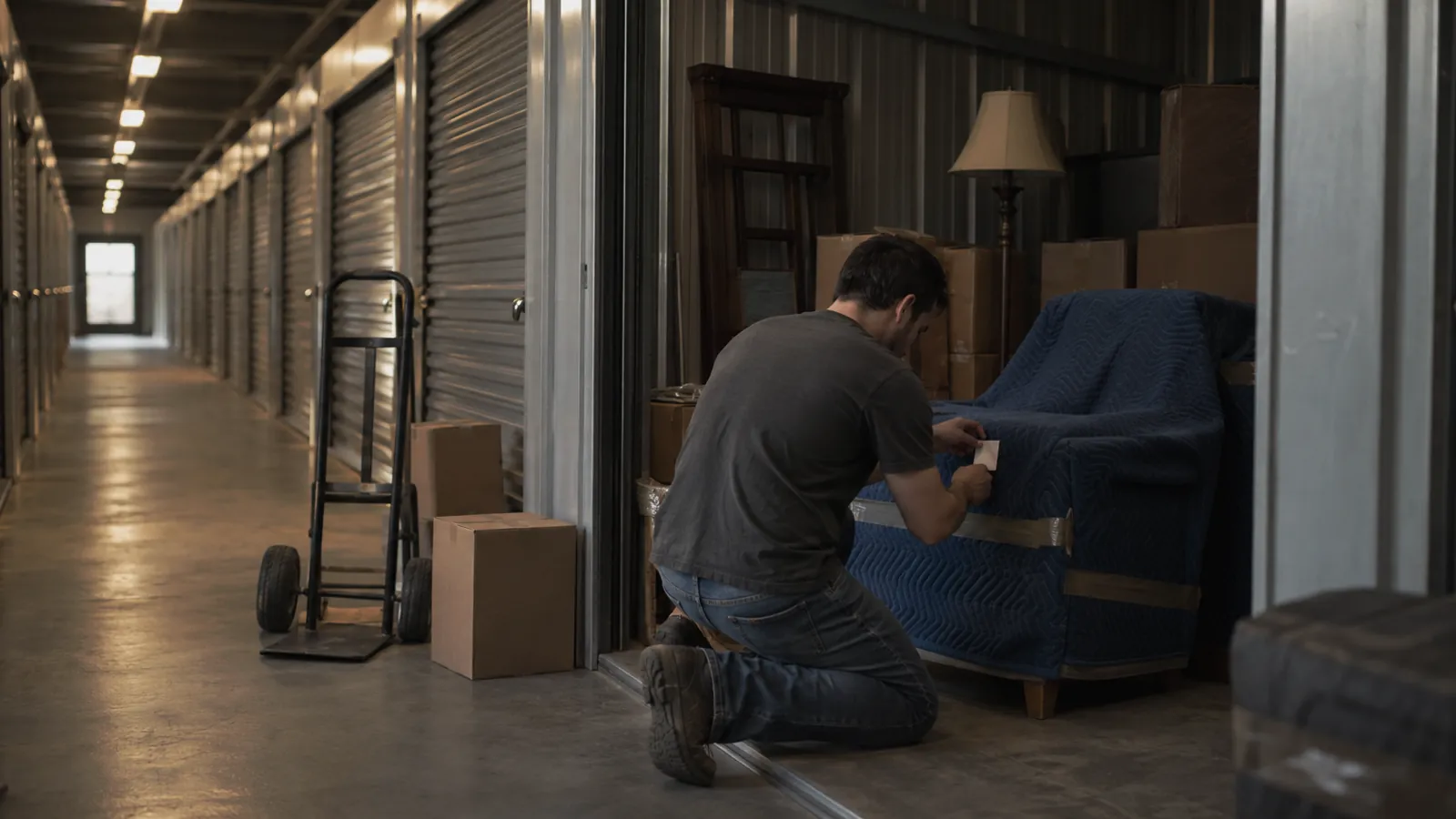
Storage Software vs. Self-Storage Facility Management Software: How to Choose
Both are called storage software, but they solve very different problems. Here is how to tell which side of the line your operation is on.
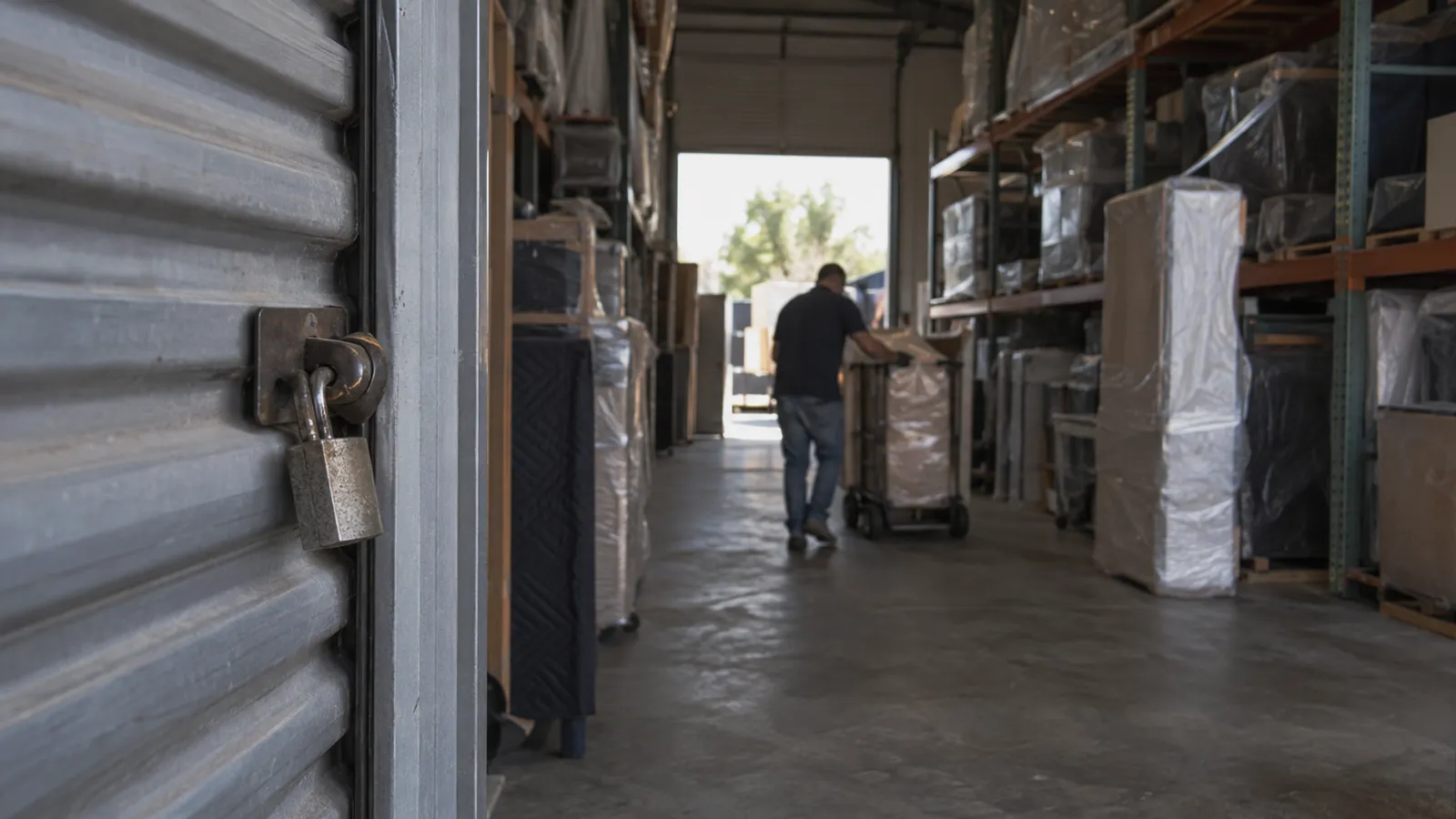
Search for "storage software" and you get two different products wearing the same name. One is built around units, leases, and gate codes. The other is built around items, photos, and deliveries. Buy the wrong one and you'll be paying for it, in time and workarounds, for years. And it is one of the easier mistakes to avoid, once you know what the two actually are.
The two categories, plainly
Facility management software is real-estate software. The thing it counts is the rented unit. It handles leasing, gate access, late fees, and occupancy reporting, and if you run drive-up self-storage where customers show up with their own hand truck, it is the right tool. It is very good at that job.
Item-level storage software is logistics software. The thing it counts is the individual item. It handles intake photos, location down to the bin, client portals, service requests, and recurring billing tied to what is on the shelf rather than which door is leased. If your customers expect you to pick things up, bring things back, or send a photo of the dresser, this is the right tool.
A two-question test
You can usually settle this in under a minute.
Does a customer ever call and say "can you grab the one box with my winter coats in it" instead of "can I get into my unit"?
Do you charge, or want to charge, for pickups, deliveries, repacks, or photography?
If either answer is yes, you are running a logistics business and you need item-level storage software. If both answers are a firm no, facility management software will serve you well and will probably cost less.
The gray zone
Plenty of operators sit in between. They started as drive-up self-storage and added a valet service when a few customers asked. Or they run white-glove logistics and keep a corner of the warehouse for overflow storage. For those operators the honest answer is lopsided: facility software cannot grow with you, but logistics software can shrink to handle a simple rental when it has to. And switching later, after years of leases and customer history have piled up in the wrong system, almost always costs more than picking the right one today.
What the wrong choice actually costs
Say you picked facility software and then bolted on a pickup service. What usually happens is you end up running two systems with a spreadsheet to bridge them. One customer gets a portal and another gets a phone call. Billing breaks in interesting ways, usually the month a customer has both a unit lease and a delivery fee. Staff lose time every week reconciling the two tools. None of it shows up as a single line in the P&L, which is exactly why it can go on for years without anyone deciding to fix it.
What to look for in item-level software
If you have landed on the logistics side, four things matter more than everything else on the feature list. A client portal customers will actually log into. Item records with photos and a condition history. Recurring billing with auto-pay. And service requests for pickups and deliveries. The rest is nice to have. Those four are the difference between software that runs the business and software that gives you more to do.
Whichever side you land on, the losing move is paying for a tool built for the other side's problem. Ask yourself the two questions, answer them honestly, and don't let a demo talk you out of the answer.