Boutique 3PL vs Enterprise 3PL: Where Brands Actually Belong
Big 3PLs win on price per unit. Boutique 3PLs win on the things that make a brand a brand. Knowing which fits is a strategy decision, not a vendor choice.
When a growing brand starts shopping for a 3PL, the first move is to line up the quotes. The enterprise 3PL's per-unit pick fee will almost always come in lower. The boutique quote will look expensive next to it. If the decision ended there, boutique 3PLs wouldn't exist. They do, and there are more of them every year, because price per unit is the wrong way to compare two businesses that aren't selling the same thing.
Enterprise and boutique 3PLs are different products for different problems. Some brands belong with one. Some belong with the other. A few belong with both, at different points in their life. Sorting out which is a strategy question, not a procurement question, and it deserves more than a spreadsheet.
What enterprise 3PLs are actually good at
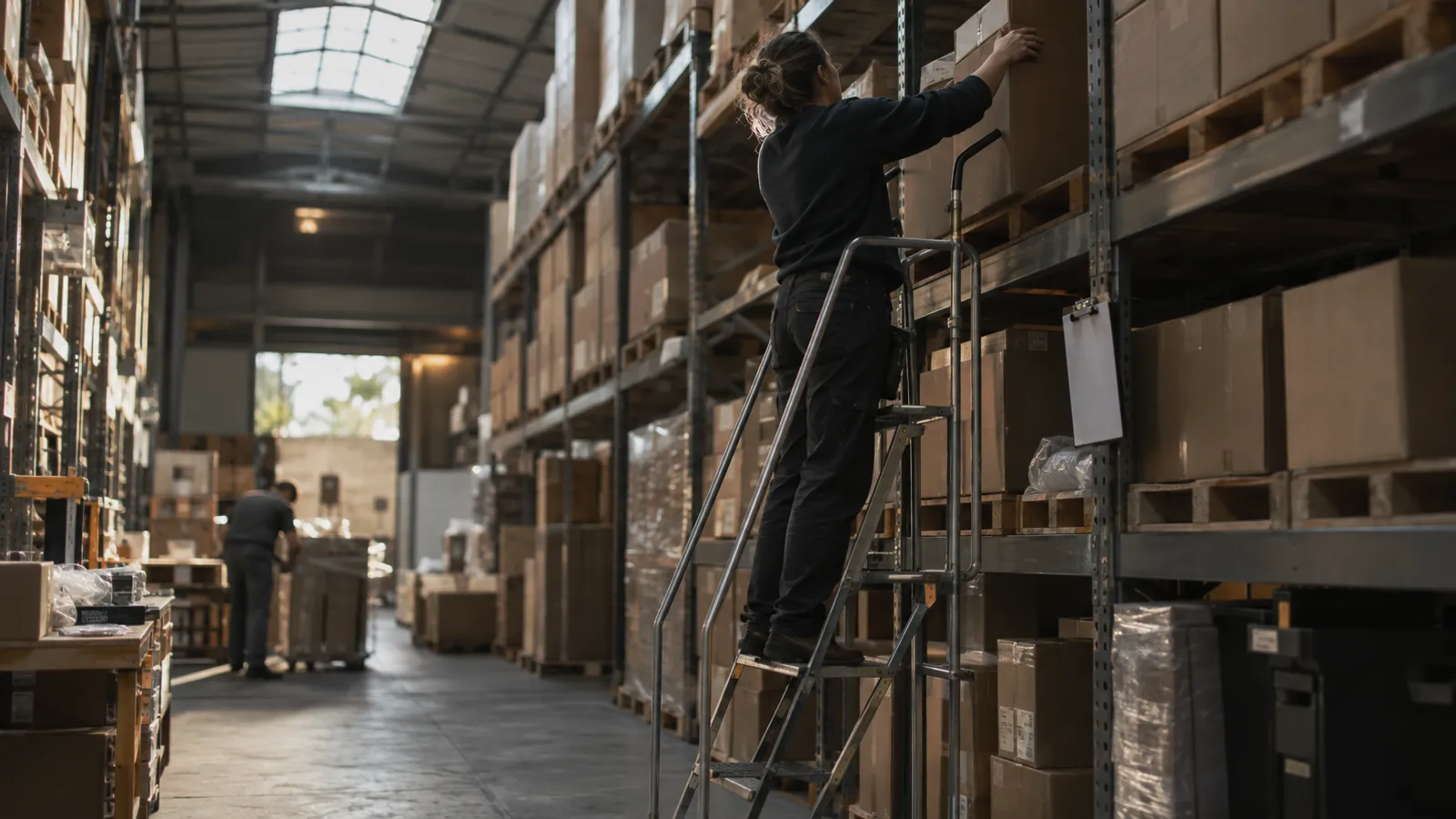
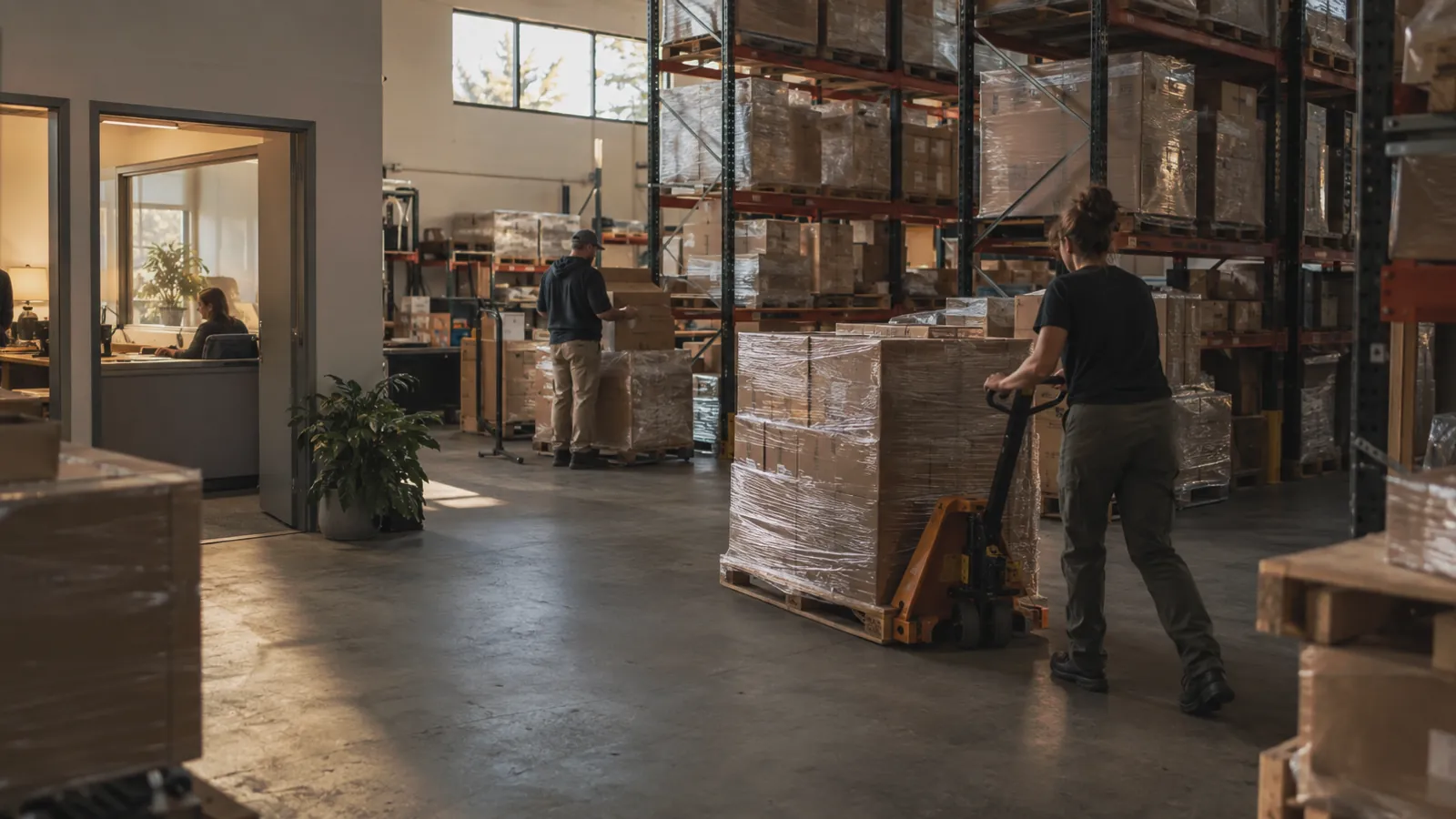
Enterprise 3PLs win on scale. Huge buildings, automation, deep labor pools, carrier discounts you'll never get on your own, and rate cards tuned for high volume and a predictable SKU mix. If you ship a million units a year of relatively few SKUs in standard packaging, they will move them cheaper than anyone, and you should let them.
What they can't do is bend. The same scale that drives the price down means a custom packing instruction is a ticket, a non-standard insert is a project, and a one-time kitting request turns into a quarterly contract amendment. Nobody there is being difficult. That's how the model has to run at that size.
What boutique 3PLs are actually good at
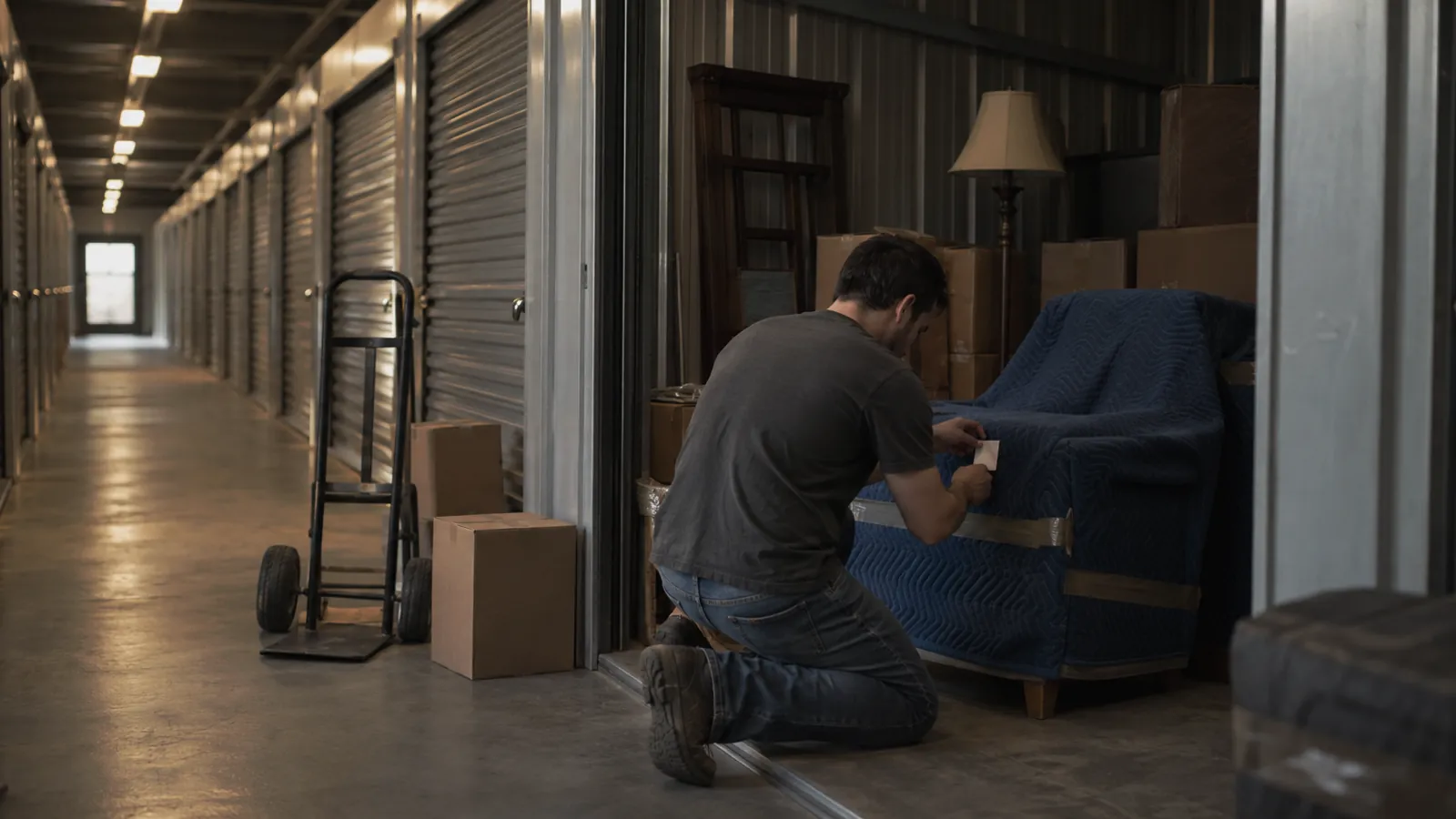
Boutique 3PLs win on knowing you. The account manager knows the brand. The pickers know the packaging. The dock manager texts you a photo of a crushed inbound pallet before he logs it as a discrepancy, because he knows you'd want to see it. Custom inserts, hand-written notes, gift wrap, seasonal kitting, a hundred sample orders for an influencer drop on Thursday. These happen without a ticket, because the person who quoted the work is usually the person doing it.
The trade is unit cost. A boutique charges more per pick, per pallet, and per item, because its fixed costs spread across fewer clients and the work per unit is more skilled. Nobody at a boutique is going to tell you they're cheaper. What they'll tell you is that they'll do the things that make your unboxing video what it is, at a price that still makes sense for your stage.
Where each model is the wrong choice
An enterprise 3PL is the wrong home for a brand whose edge lives in the unboxing, a brand that rotates SKUs every season, a brand that runs creative one-off campaigns, or a brand under fifty thousand units a year. At that volume you simply won't get anyone's attention.
A boutique 3PL is the wrong home for a brand pushing massive volumes of standard SKUs, a brand competing mostly on shipping speed and price, or a brand that doesn't need any customization at all. You'll pay for service you never use.
How software differs across the two models
The systems look different because the businesses are different. Enterprise 3PLs run heavily integrated, high-throughput WMS platforms built for automation and labor management. The screens are dense, the customization is thin, and the strength is rock-solid execution at volume.
Boutique 3PL software, more and more, is the opposite. Quick to set up, strong on per-client branding and portals, and built around the assumption that every client will have at least one weird requirement. Modern boutique 3PL platforms treat each client as its own thing, with its own billing rules, its own inventory, its own portal, and its own integrations, all inside one multi-tenant warehouse system.
If you're a brand evaluating a boutique 3PL, ask to see this directly. Log into the demo portal as a sample client. Look at the dashboard, the inventory list, the order list, the reports. Ask whether the URL, the logo, and the colors can be yours. If the answer is "we send PDFs," you're looking at an enterprise tool with a small-business price tag.
A practical sequence for growing brands
Plenty of brands end up in both camps over time. The sequence that tends to work:
- Stage 1 (0-100k units/year): Boutique 3PL. The flexibility is worth more than the per-unit premium.
- Stage 2 (100k-1M units/year): Still boutique, maybe with a second boutique partner in another region to shorten shipping times.
- Stage 3 (1M+ units/year): Add an enterprise 3PL for the high-volume standard SKUs, and keep a boutique partner for limited editions, subscription boxes, and direct-to-influencer programs.
One mistake is jumping to Stage 3 before the volume justifies the rigidity. The other is staying in Stage 1 too long, while the boutique partner does heroic things to keep up with volumes the model was never built for, and quietly stops enjoying your account.
Pick the model that fits the stage you're in. Renegotiate when the stage changes. And don't let the quote per unit be the only number that decides where your brand lives.