Private-Client Logistics: Managing Collections, Moves, and Storage for High-Net-Worth Clients
How private-client logistics actually works, coordinating storage, white-glove moves, and inventory for collectors and high-net-worth households without losing the details.
Private-client logistics is its own category, and most software pretends otherwise. The work sits somewhere between fine-art handling, white-glove moving, and high-end storage. An operator serving high-net-worth households needs one consolidated view of all of it, and none of the single-vertical tools quite gets there. The job is to keep track of a collection spread across two or three residences and a storage facility, coordinate the occasional move between them, document condition every time a piece is touched, and do all of it quietly enough that the client never has to manage you.
This is for the operators who do that work: luxury logistics firms, family-office-adjacent logistics partners, white-glove movers who handle migrations between homes, and high-end storage operators who have become, in effect, the primary residence for the things their clients can't keep on display.
What "private-client logistics" covers
The phrase gets thrown around loosely. In practice an engagement usually includes some mix of:
- A central inventory of what the client owns: furniture, art, decorative objects, wine, sometimes vehicles or seasonal equipment
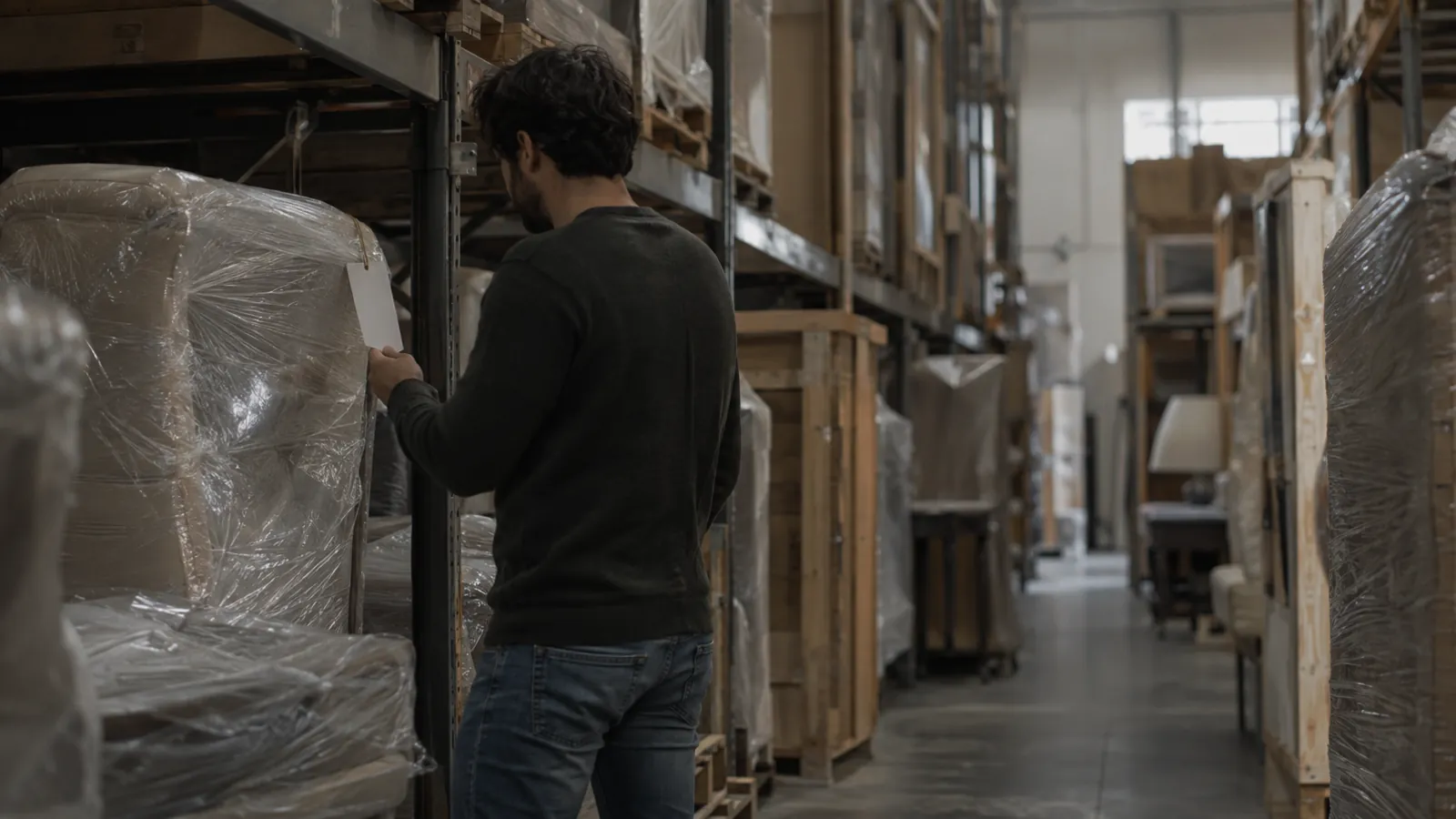
- Multi-location storage: a primary residence, one or more secondary residences, one or more climate-controlled storage rooms
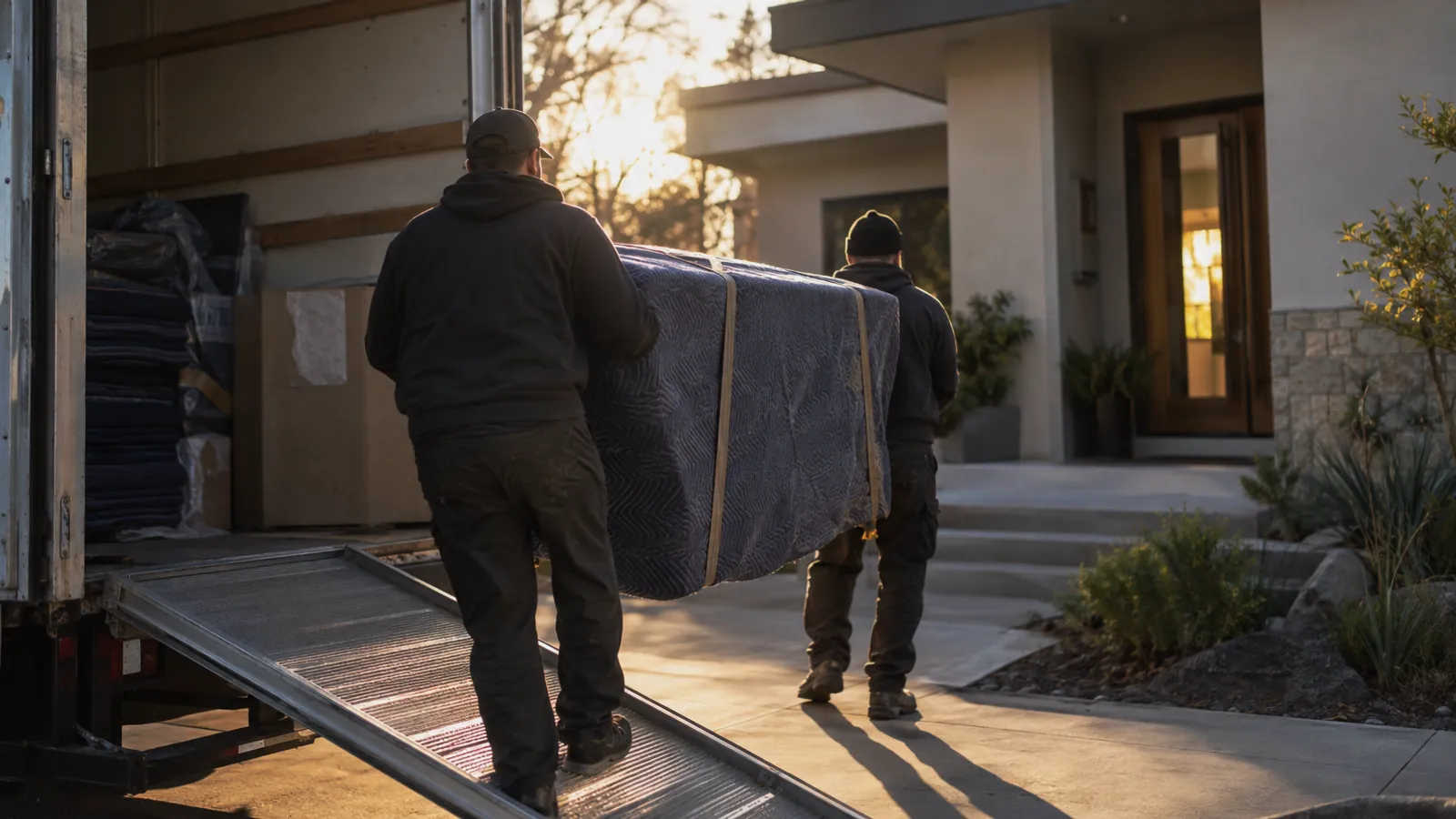
- Periodic migrations between residences (winter house to summer house, city to country)
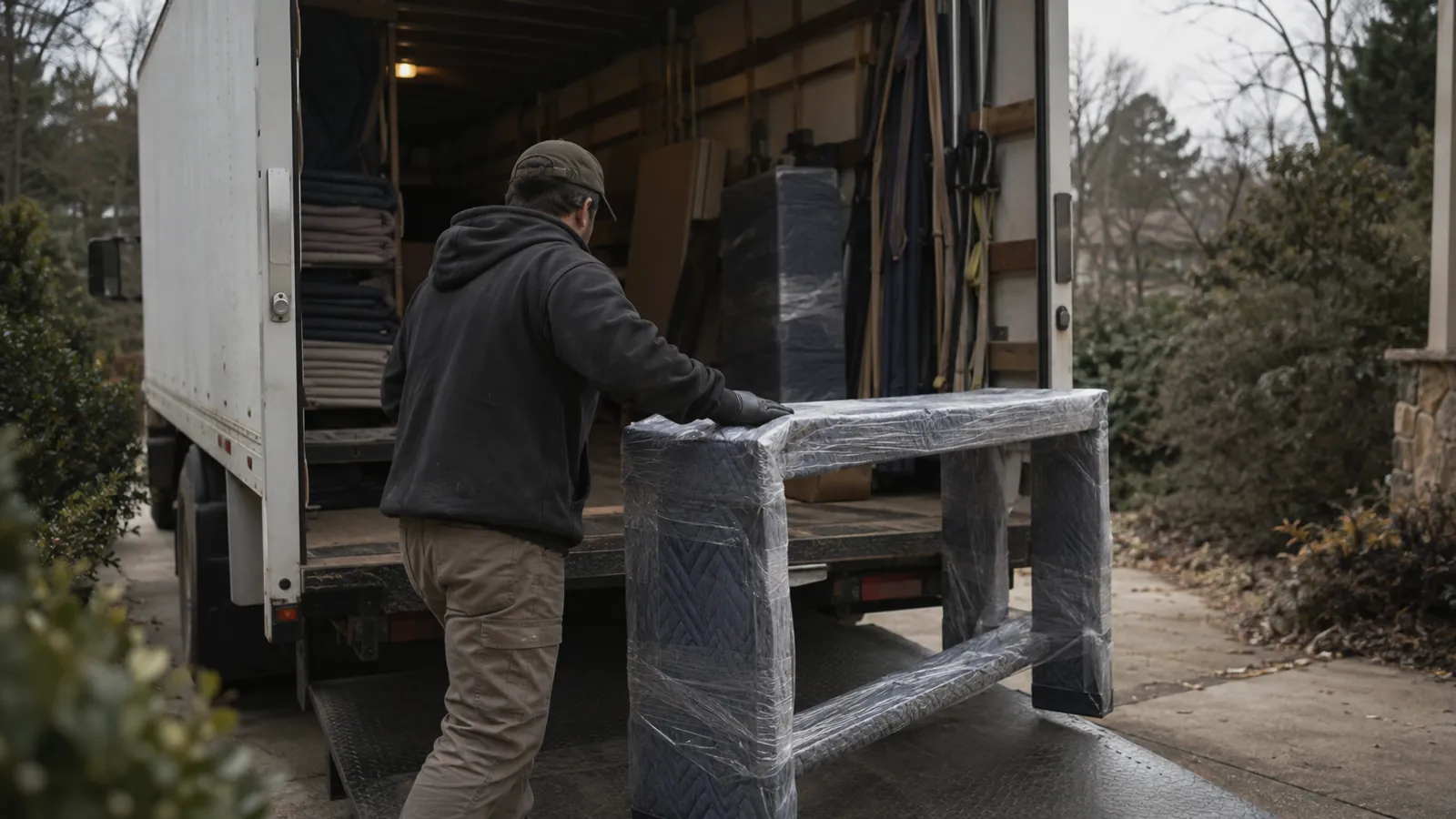
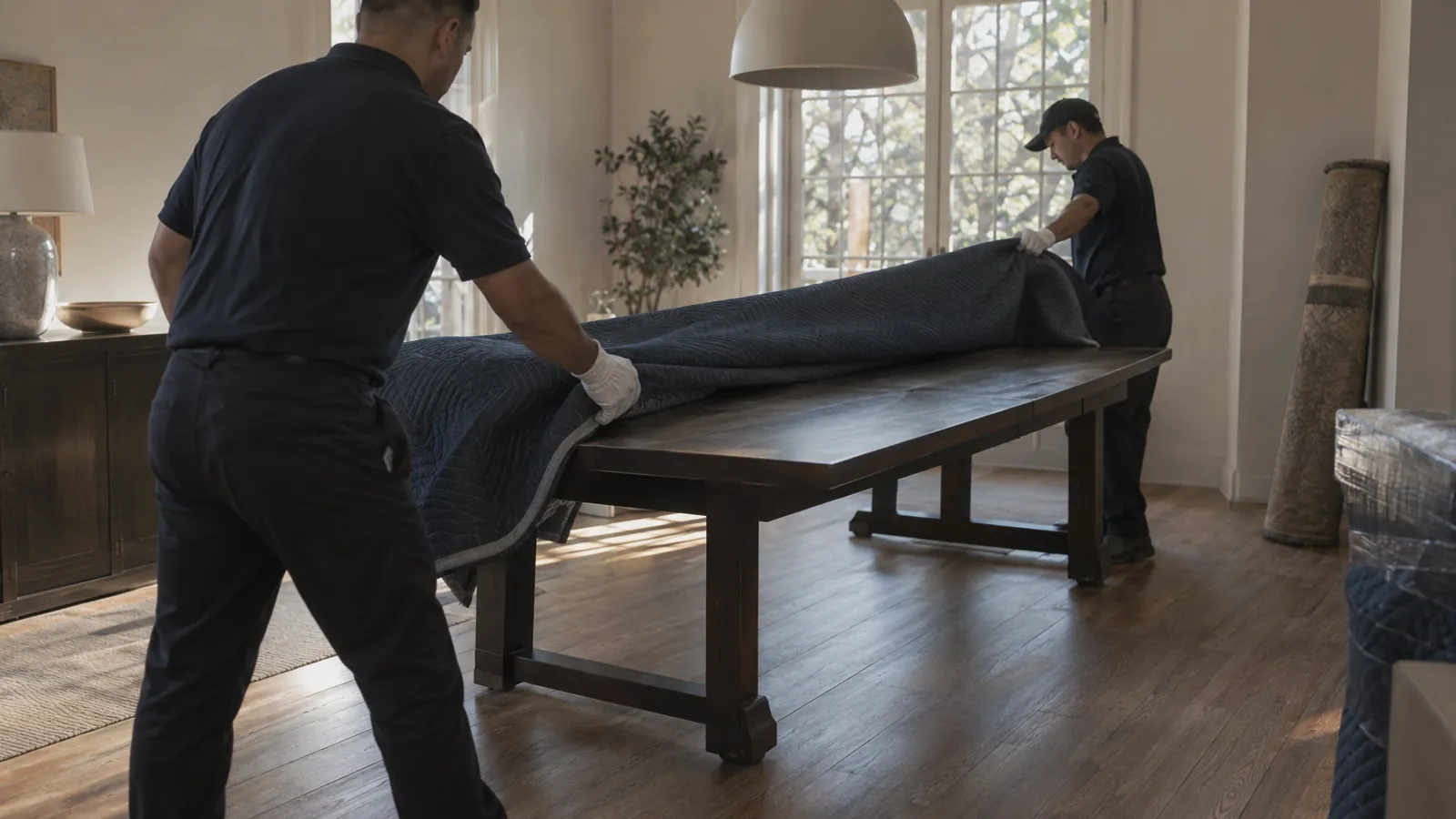
- White-glove moves when a client buys, sells, or renovates a property
- Condition documentation at every touchpoint, with photos and notes
- A small, named team of handlers the client knows and trusts
It overlaps heavily with fine-art handling and white-glove delivery, but it's organized differently. Galleries organize around exhibitions. Movers organize around jobs. Private-client logistics organizes around the client and the collection, and everything else (moves, deliveries, storage) is an event that touches one long-running record.
The operational pain nobody admits
Get an operator in this category talking off the record and the same headaches come up every time.
The collection lives in too many heads. The handler who has been with the client for five years knows where everything is. When that handler leaves, half the operational knowledge walks out the door with them.
Migration prep is brutal. Moving a client from a New York apartment to a Hamptons house in June means reconciling four lists: what's in the apartment now, what's in the Hamptons now, what's in storage, and what the client wants where. Done from spreadsheets and memory, that takes days, and the mistakes take more days to undo.
Condition gets captured inconsistently. Photos live on phones. Notes live in email. When a piece turns up damaged, working out whether it was already damaged is a half-day of forensics.
Discretion fights with documentation. The client wants nobody to know what they own. You need a record to do the job. The usual compromise, undocumented work, is what causes the damage disputes in the first place.
And billing reflects the effort badly. Hours get logged when someone remembers. Accessorials get forgotten. A complicated migration that should have billed at $40k goes out at $28k because nobody captured the time.
If two or three of those land, the operation has outgrown its tools.
The framework that works
The operators who run this well organize around four ideas. Each one says something specific about the software.
1. The collection is the system of record
Not the job. Not the client folder. The collection itself: every item, with its identifier, photos, dimensions, condition history, and current location. Jobs (moves, deliveries, intakes) are events that update the collection. That's the reverse of how moving-company software is usually built, where the job is the record, and it's why generic moving software always feels slightly wrong for this work.
2. Locations are first-class
A piece can be in the city apartment, the country house, at a gallery on consignment, or in the climate-controlled storage room. Each of those is a real location with its own access protocol. Moving a piece between them is a transaction the system writes down, rather than an email the operator means to send.
3. Condition is captured at every touch
Every time a piece moves, photos and notes go on the record. The cost is about fifteen minutes per touch. The payoff comes the day a damage question lands and the answer is already in the record instead of in someone's memory. The Digital Condition Reporting for Art piece goes deeper on what a good condition record looks like.
4. Access is scoped, but the record is whole
The handler on the truck sees what they need to do the job. The office sees billing and the schedule. The client sees a well-presented portal view of their own collection. Everybody sees a slice. Underneath, it's one record.
A checklist for choosing software
If you're evaluating tools for a private-client operation, push for all of these.
- Item-level inventory with photos, dimensions, condition notes, an identifier (often a QR code or a discreet label), and current location.
- Multi-location support where location is a first-class field rather than a tag.
- Per-client branded portals with a discreet, premium presentation. The client should feel they're looking at their asset, with your software staying out of the way.
- Service requests for moves, deliveries, intakes, and condition checks, each tied to specific items.
- Granular permissions so handlers, office staff, the client, and (where applicable) the client's family-office representative each see the right slice.
- Photo and document storage per item, kept for as long as the collection exists.
- Job-level billing that captures labor, materials, and accessorials accurately, with cards or ACH on file for the client.
- An audit trail per item, showing every move, every condition update, and every person who touched the record.
A platform missing any of those will push you into keeping a parallel record somewhere. And the parallel record is exactly what private-client work can't tolerate.
How Stowley handles this
Stowley was built around exactly that organizing principle: the item is the record, and jobs are events that update it. Each client's collection lives as a single inventory with photos, dimensions, condition notes, and current location for every piece. Locations are first-class (apartment, country house, storage room, on consignment), so a migration is recorded as a real transaction instead of being reconstructed from email later. Service requests handle the moves, deliveries, intakes, and condition checks, and each one updates the item record the moment the work is done.
Branded client portals give the client a discreet, premium view of their own collection, with scoped access for a family-office representative where that applies. Job-level billing captures labor and accessorials accurately, and cards and ACH on file mean invoices clear without a billing conversation. The handlers on the truck see what they need. The office sees the operation. The client sees their collection. One record underneath all of it.
Where to go from here
If your operation is held together by one or two long-tenured handlers and a folder system, the next quarter is the right time to put a real record under it. The risk in waiting has nothing to do with technology. When the people who know everything move on, the operation has to relearn its own work from scratch.
Start a 14-day free trial at /signup and import one real client's collection into a sandbox. Photograph a piece, log a migration between two locations, generate an invoice, and walk through what the client would see in the portal. An afternoon will tell you whether the fit is right. More long-form pieces on neighboring topics live on the blog, including provenance and condition reports, lending art, and white-glove delivery.