
Before Stowley
- Pickup lists on paper and photos on someone's phone
- Finding one customer's box means walking the racks
- Every return is a phone call, a lookup, and a callback
Valet storage
Valet storage is a logistics business that happens to own a warehouse. Stowley runs the part your customers never see: photo intake at the curb, a rack location for every item, monthly billing that charges itself, and a portal where customers ask for things back without calling you.


01
Set a per-item rate or a flat monthly plan per customer. On the billing day Stowley builds the invoice, emails it, and charges the card on file. Items picked up or returned mid-cycle are prorated to the day, so you never hand-adjust an invoice for a Tuesday pickup.

02
Customers sign into a portal, scroll their own items by photo, and request a return. If you offer delivery windows, they pick one from the slots you have open. Your desk stops fielding “can you bring my…” calls and just works the queue.
03
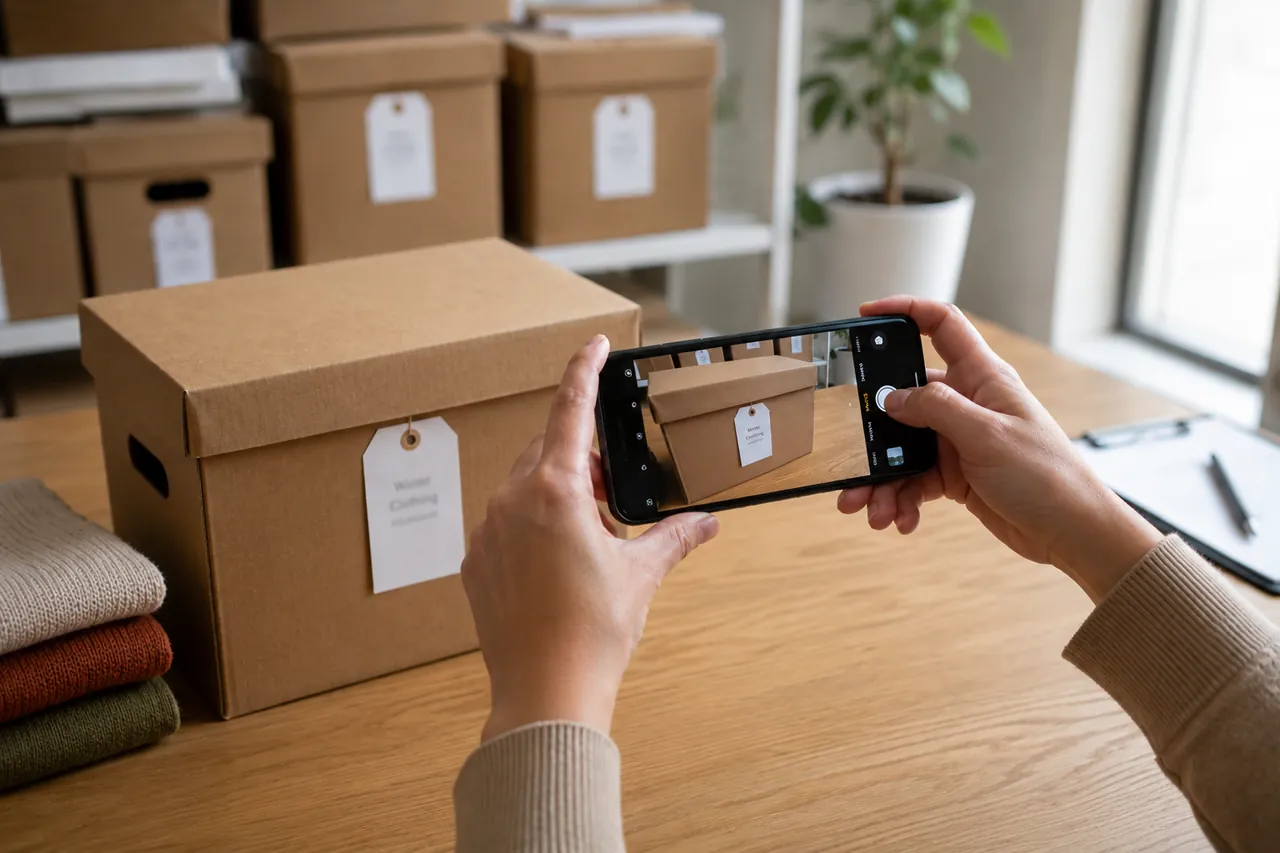
Crews photograph and label each item on their phone during the pickup, so the record exists before the truck leaves. Back at the warehouse, a scan puts the item in its row and bin.
Capabilities
Every capability below ships in Stowley today. No add-ons, no roadmap promises.
The Field view logs items with photos and condition on a phone at the pickup. The customer signs the item list on the spot, and the signed receipt is on their record before the crew pulls away.
Items live in a warehouse, zone, row, and bin. Search by customer or item and walk straight to it. Print QR labels in bulk and scan them with any phone camera.
Bill each customer per item stored or on a flat plan. Recurring invoices generate on the billing day and charge the saved card through Stripe. Free days before billing starts and proration for mid-cycle pickups and returns are settings, not spreadsheet columns.
Customers see their items with photos, request returns or new pickups, message your team, and pay invoices. Put your own name on it with white-label on Premium.
Offer the windows you can staff and let customers choose one when they request a return. Capacity per window keeps the schedule honest, and the crew's day shows every stop.
Crews mark each item delivered, photograph the drop, and capture a signature on the phone. The receipt PDF records the outcome of every item, so a “that never arrived” claim is answered from the record.
Invoices flip to past-due when the due date passes. Aging buckets sit on your dashboard, and the failed-charge retry runs without you starting it.
QR labels print on standard label stock. A scan moves an item into a bin, stages it for a return, or confirms it back on the rack. Every scan lands in the item's audit log.
Getting started
Crews log each item on a phone; the customer signs the list.
Scan items into a bin. Set per-item or flat billing once.
Customers request returns; invoices charge themselves.
From the blog
Drive-up self-storage and full-service valet storage look similar from the curb. The economics, software, and customer expectations are not the same business.
Read the guideLive demo
Open a demo loaded with a racked warehouse, household and business customers, return requests, and recurring invoices. Run a pickup, request a return from the portal, and watch an invoice charge itself.
Quick email check-in for a demo. No strings attached.