Sub-Rentals and Cross-Hires: Tracking Gear You Don't Own
Every busy event season, your warehouse fills with gear you rented in from competitors. Tracking it properly is the difference between profit and chaos.
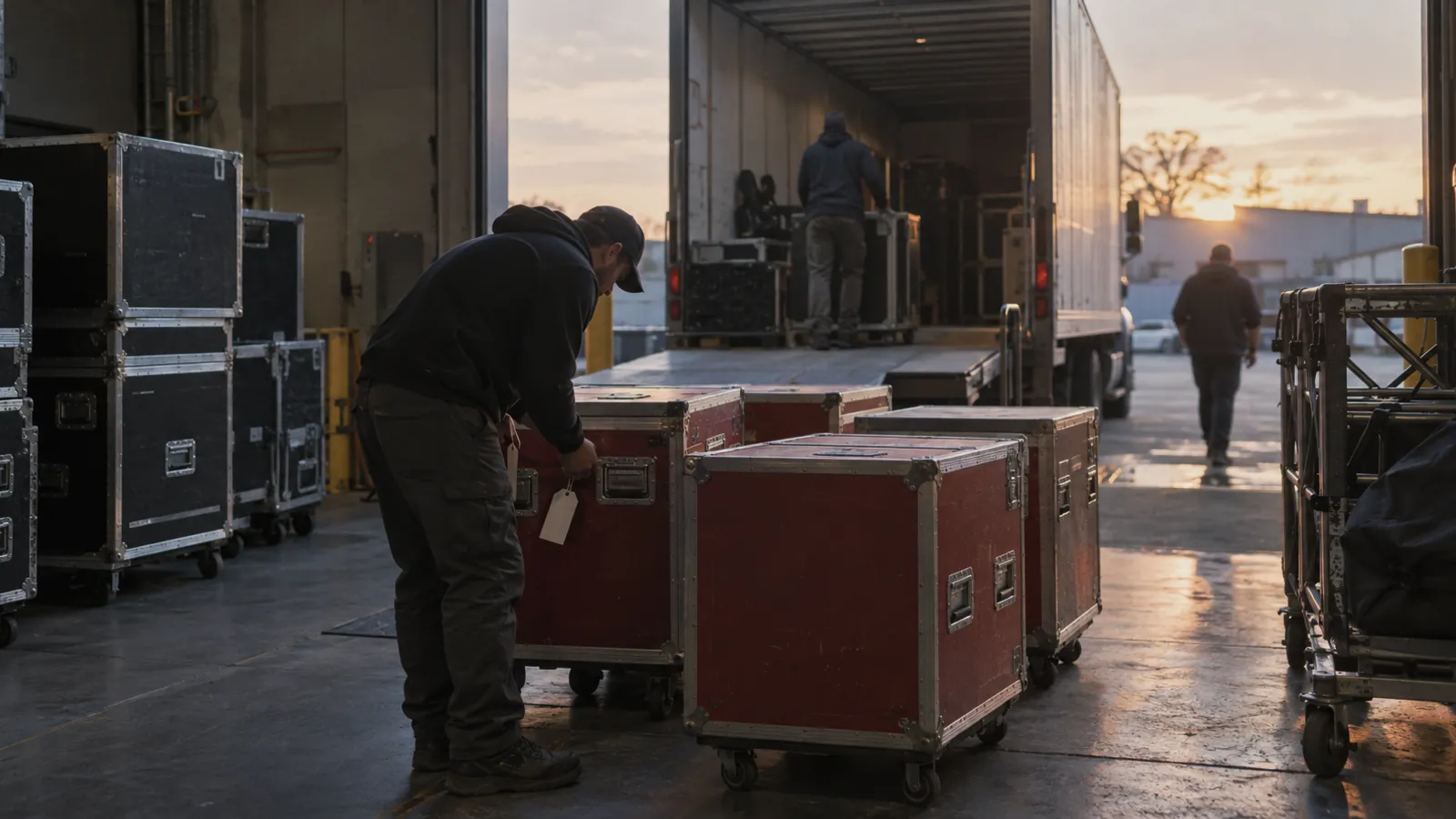
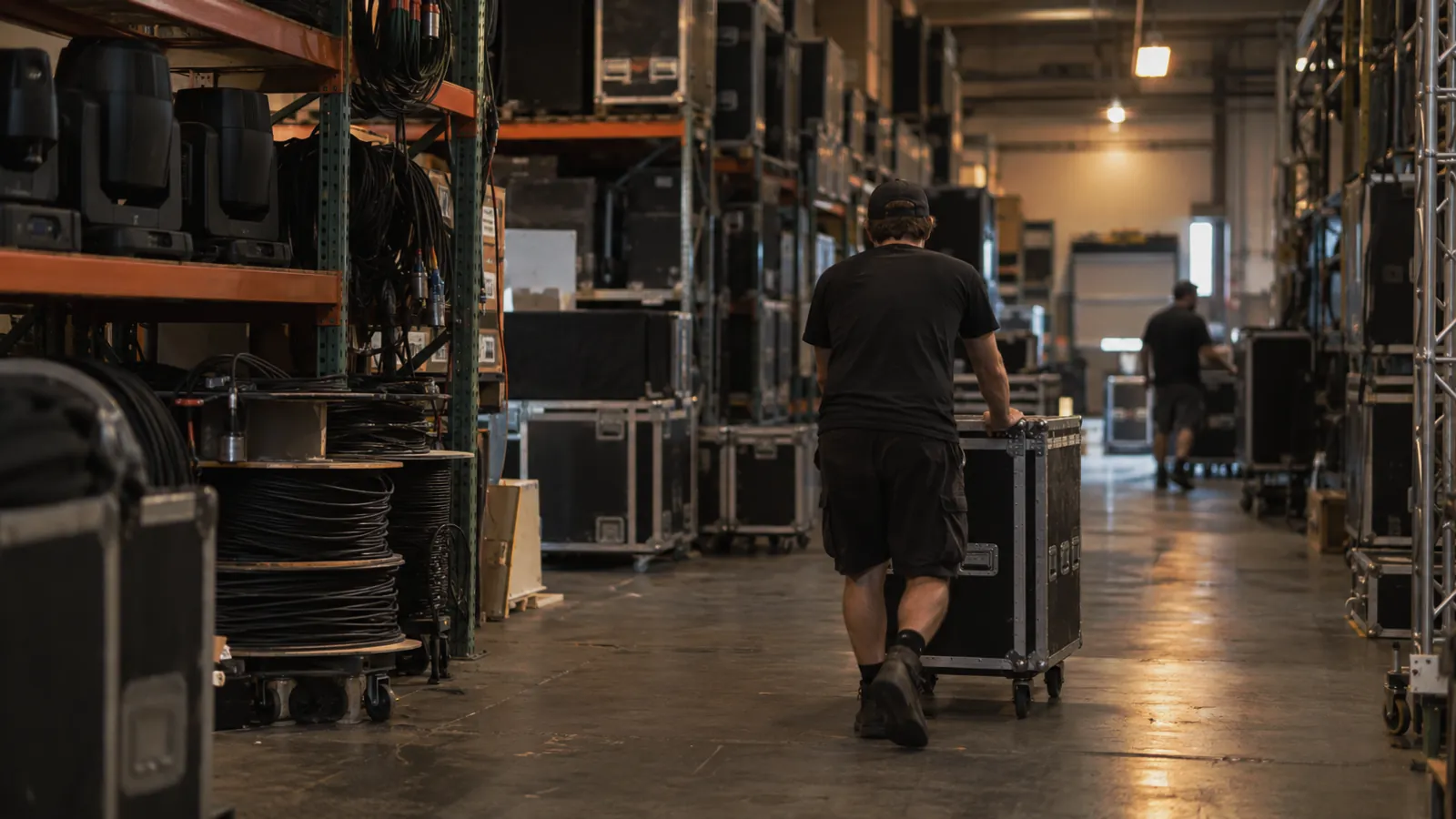
It happens every busy season. A good gig comes in, the calendar already has the line array out on something else, and the only way to say yes is to sub-rent the gear from the shop across town. By the end of festival season, half the warehouse is gear you don't own. By the first week of January, the bookkeeper is trying to match sub-rental invoices from twelve vendors to gigs that wrapped six weeks ago, and nobody can remember which mic stand belonged to whom.
Sub-rental, or cross-hire if you learned the business on the other side of the Atlantic, is baked into event production. You can't run a rental house without it. It's also one of the surest places for profit to leak, for three reasons: the bookkeeping is messy, the physical tracking is messy, and the gig P&L almost never includes what the rented-in gear really cost.
A proper sub-rental system fixes all three. And it takes less effort than the current mess does.
What sub-rental tracking has to do
Treat sub-rental as its own inventory category with its own lifecycle. For every item you rent in, the system needs to know:
- Source vendor. Who you rented it from, with contact and account info.
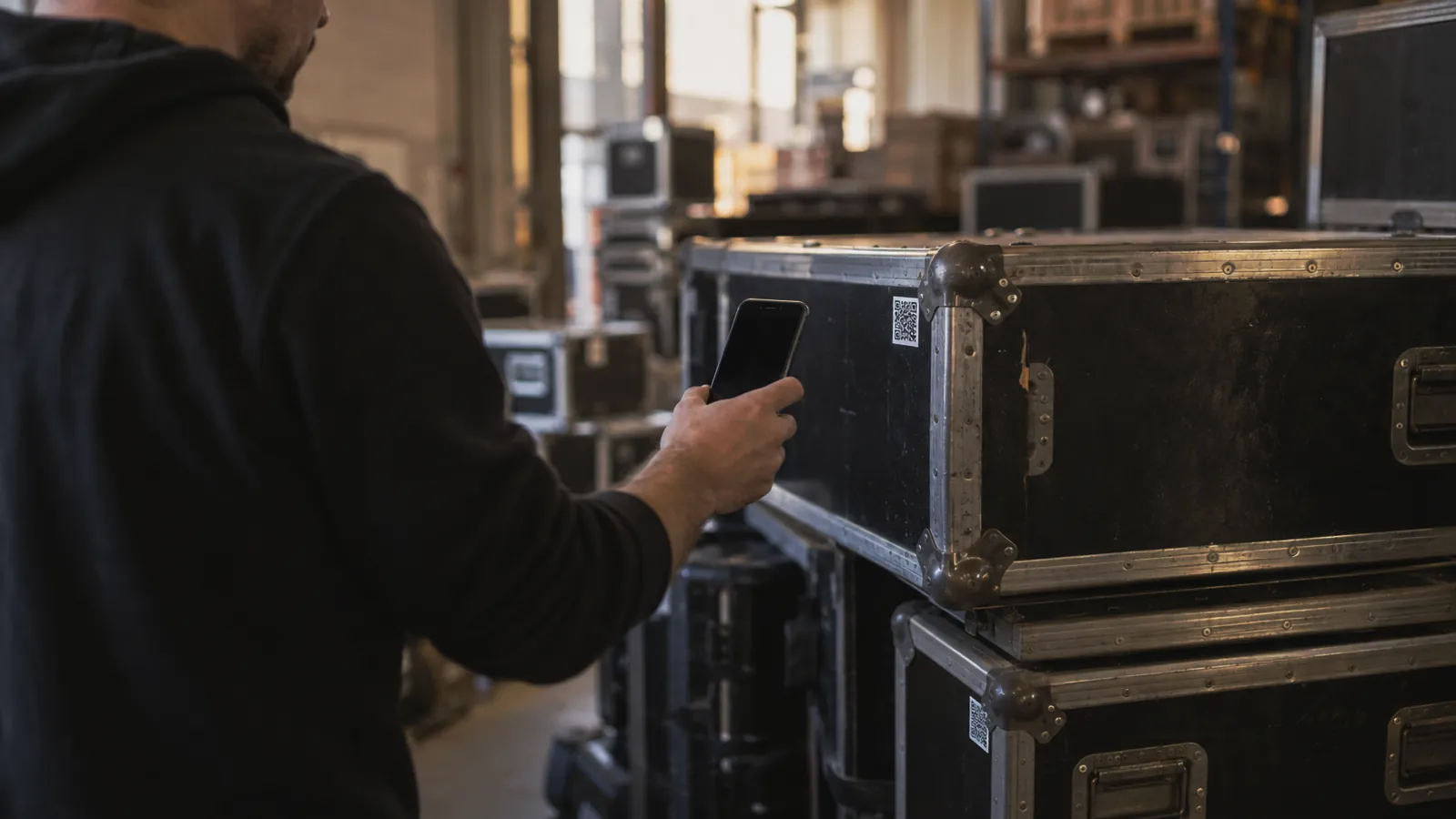
- Inbound date and condition. When it arrived and what shape it was in, photographed at receipt.
- Cost. Daily, weekly, or flat rate, plus any deposit.
- Allocated to gig. Which client gig is paying for this rental and what they're being charged.
- Outbound date. When the gig ends and the item ships back.
- Return date and condition. Confirmed return, condition documented, any damage charges accepted.
- Reconciled against vendor invoice. Marked paid and matched to the original PO.
Miss any one of those and the item is on its way to becoming a loss. The classic version goes like this. Gear comes in for a specific gig. The gig ends. A tech building the next manifest sees two wireless racks on the shelf, doesn't know they're borrowed, and sends them out again. They sit in your building for three months with the rental clock running. The $400 sub-rent becomes an $1,800 invoice from a vendor you'd hoped to stay friendly with.
Margin math nobody runs
For any gig that used rented-in gear, the P&L should net what the client paid in markup against what the vendor charged, plus the labor to receive the gear and send it back. Most shops don't do this. They report the gig as "we billed $18,000" and move on. The real margin, once the sub-rental is subtracted, is often a long way below what the same gig would have earned on owned gear.
Run that math honestly across a season and you'll find something uncomfortable. Some of the big gigs were thin or lost money, because the gear was rented in at retail and billed out at standard markup. That doesn't mean you stop taking them. It means you reprice them, or you buy the gear that keeps getting rented in. But you can't make either call without the numbers, and you can't get the numbers without tracking sub-rentals properly.
How sub-rentals tie back to your own [inventory](/blog/av-rental-inventory-management-software)
The cleanest model treats a sub-rented item as a temporary addition to your inventory, flagged as borrowed, with a hard return date. It shows up in availability searches like anything else, so a tech building a manifest sees it and uses it. The flag does the policing. The system won't allocate it to a date past the scheduled return, and the daily inventory report puts it in front of the warehouse manager so it doesn't get forgotten on a shelf.
When the gig wraps, the system prompts for the return, prints the outbound paperwork, and closes the record. The bookkeeper has what's needed to reconcile the vendor, and the gig has its true cost on it.
The vendor side of the equation
Most shops are on the other side of this trade too, and sub-rent out more than they'd admit. The same system should handle it. A competitor calls on Thursday asking for two wireless racks for the weekend. The system creates a sub-rental PO, puts a hold on their card, and tracks the gear as out on loan. When it comes back, the inspection closes the record. One record, and both sides of the deal can read it.
Shops that get a reputation for clean outbound sub-rentals, with gear that comes back when promised, in the condition it left, paperwork in order, become the first call when a peer is stuck. In a business where a lot of revenue comes from the people you compete with, that's worth something.
The software gap
Generic rental software usually treats a sub-rental as a procurement record bolted onto the side, nowhere near the inventory. The right event rental platform makes sub-rental a first-class part of the system, so the same workflows that move owned gear also move borrowed gear, with the vendor and the cost layered on top.
If your current tool needs a spreadsheet to track sub-rentals, you don't have a sub-rental system. You have a system and a spreadsheet. And festival season will find every gap in that spreadsheet, every single year, until the spreadsheet goes away and the data lives where the rest of the operation does.