Tracking Crates, Not Just Artwork: A Better Model for Fine-Art Shipping
In fine-art logistics the crate is as valuable as the art inside it. Treating crates as first-class inventory changes how the operation runs.
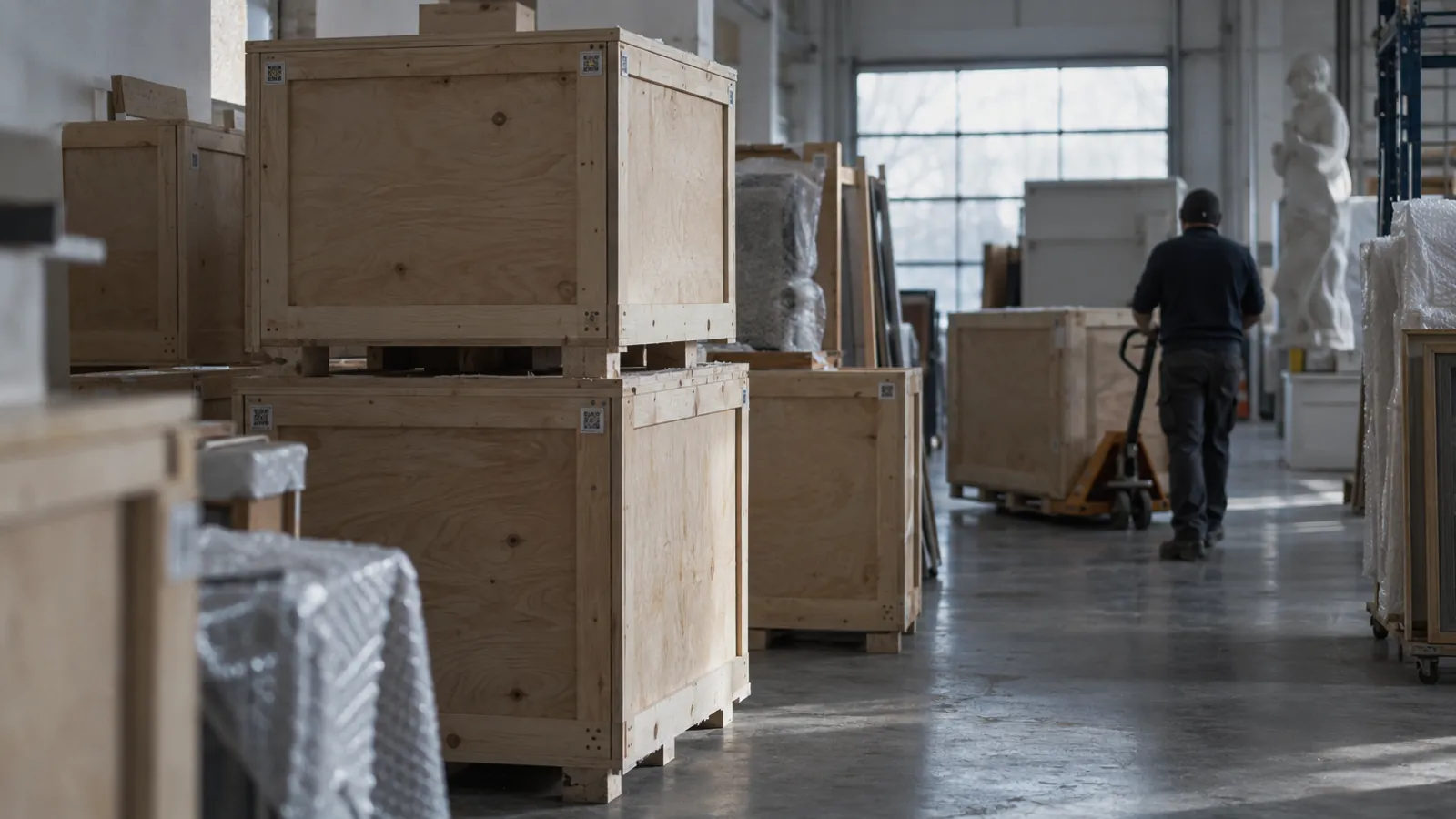
In most of logistics, the box is trash. A pallet goes out, the goods come off, and the pallet gets reused if it's still square or tossed if it isn't. Packaging is a line in the cost of goods and nobody thinks about it twice.
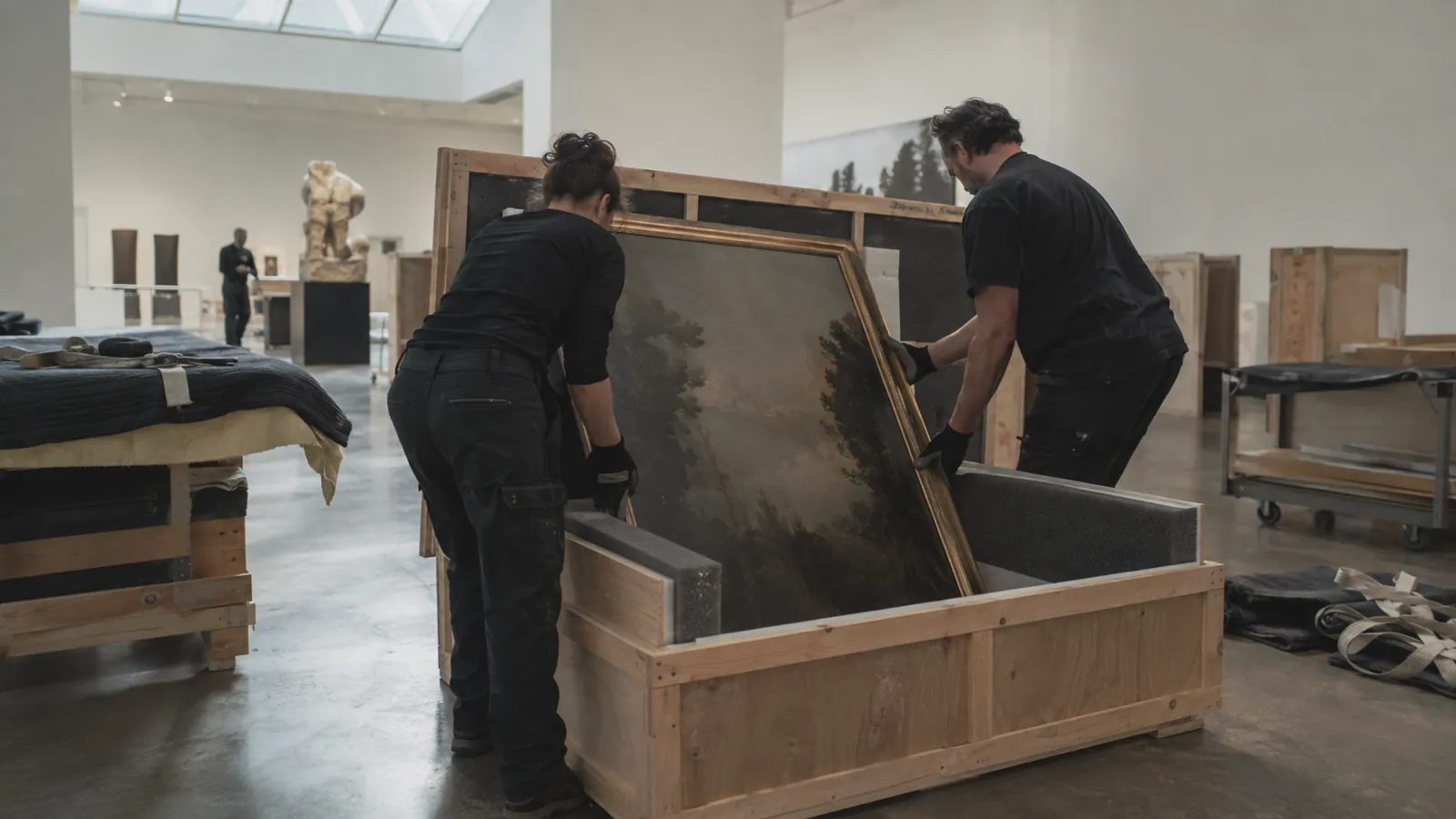
Fine art doesn't work that way. The crate was built for the piece inside it, often by hand. It cost hundreds of dollars, or thousands. And it's supposed to come back. The same crate will travel with the same painting to show after show, sometimes for decades. Throw that crate away, or lose it in a corner, and you've thrown away money. Give it a record of its own, with an identity, a history, and a location, and you've made one of the cheapest, highest-return changes a fine-art shipping operation can make.
Why the crate deserves its own record
The artwork already has a well-defined record: title, artist, dimensions, value, condition, provenance, location.
But a crate that has carried that piece through three loans, two restorations, and an overseas tour has a story of its own, and the details matter. When it was built. What it's made of, which matters for the climate inside it. Its weight and outside dimensions, which decide whether it fits the truck or the air cargo container. Its condition over time. And where it is right now.
When the only record of a crate is the crate itself, sitting somewhere in the warehouse, the same things go wrong over and over. A piece needs to ship, the right crate can't be found, and a new one gets built for no reason. A tired crate goes out, the piece comes back with humidity damage, and nobody can say when the crate started to fail. Or a crate leaves with a loan, the loan ends, and the crate stays wherever it landed, because bringing it home was never anyone's job.
A simple data model for crates
Treat every crate as a serialized inventory item that runs alongside the artwork record. The crate gets:
- A unique ID, printed as a QR code on the outside.
- A profile: dimensions, weight, internal cavity dimensions, materials, build date, and who built it.
- A condition log, with photos, from every inspection at pickup and at return.
- A movement log: every transport, exhibition, and storage location.
- A current state: in storage, in transit, with a client, in repair.
- A link to the artworks: which pieces have traveled in it, and which one it was built for.
The QR code is what makes the rest happen. Scan the crate at intake and its history comes up. Scan it before a shipment and you've confirmed it's the right crate, in good shape, sitting where it's supposed to be. Scan it on return and the loop closes and a condition inspection gets triggered. Three scans, and the crate never goes missing between them.
The integration with artwork records
None of this works if the crate lives in a separate tool. It has to sit in the same system as the artwork record and the condition reports.
Then the pieces fit together on their own. A curator requests a loan, and the system says this piece usually travels in crate AR-0427, currently in Vault B. The shipping team checks that the crate is in good condition, matches the piece's dimensions, and isn't overdue for maintenance. When the piece comes home, the crate gets inspected in the same ten minutes as the artwork, and any damage to either one is logged against the right record.
That sounds obvious written down. It is not how most fine-art operations run. Most keep artwork records in one system and handle the packaging on an "everyone knows where that crate is" basis. Which works until a slowly rotting crate fails on the shipment that mattered most.
What this saves over a year
Three things you can measure, and a few you can't.
Crate construction is the obvious one. Find and reuse the crates you already own instead of building new ones, and the construction line drops. A 20-30% reduction in the first twelve months is a realistic target.
Damage claims tied to packaging drop, because a degrading crate gets caught at inspection and repaired before it goes out, instead of being discovered when the piece arrives wet.
And shipment prep gets faster. The right crate is found in seconds on a screen, not by walking the aisles with a tape measure.
The savings you can't measure are bigger. The embarrassment you were spared because a crate didn't fail in front of a high-trust client. The insurance dispute that never happened because packaging damage was logged with a date and a photo. The afternoon nobody spent arguing about whose fault a damaged piece was.
What to look for in software
Most "art logistics software" treats the crate as a text field on the artwork record, if that. The right fine-art operations platform treats crates as inventory in their own right, with their own records, their own movement logs, and their own condition history, linked to the artworks but not buried inside them.
When you're in a demo, ask one question: show me the record for crate AR-0427. If what comes back is a paragraph in a notes field, keep looking. A crate protecting ten million dollars of artwork should get the same respect as the artwork. The software you pick is where that respect either shows up or doesn't.